

You've got a marble bathroom that looks great in daylight, then turns a bit cloudy around the shower, the vanity splashback, or the base of the screen no matter how often you wipe it down. The usual mistake is reaching for whatever bathroom spray is closest, then wondering why the shine fades and the stone starts looking tired. Marble needs a different routine, and once you treat it like the calcium-carbonate stone it is, the clean becomes easier and the finish lasts longer.
Table of Contents
- Why Marble Bathroom Tiles Need a Different Approach
- The Weekly Cleaning Method That Protects the Polish
- Cleaners and Tools Worth Using and What to Keep Out of the Bathroom
- Dealing With Soap Scum and Hard-Water Spots Without Etching the Stone
- Targeted Stain Removal and Simple Grout Care
- Sealing, Resealing and a Simple Maintenance Schedule
- When Cleaning Crosses Into Renovation Work in Victoria
Why Marble Bathroom Tiles Need a Different Approach
A polished marble bathroom in Melbourne can look flawless one month and dull the next if the wrong cleaner keeps touching it. The problem isn't usually neglect, it's chemistry. Marble is a calcium-carbonate stone, so acids and alkalis can mark it on contact, and guidance for marble tiles warns that vinegar, lemon juice, bleach, and many generic bathroom sprays can etch the stone rather than clean it. The safe baseline is simple, pH-neutral products, a soft cloth or mop, warm water, and a stone-safe cleaner, not a “stronger” spray.
A very common job I see is a shower sill or vanity ledge where glass cleaner has dripped week after week. In a Melbourne ensuite, that can leave cloudy rings that homeowners think are soap residue, but the stone has been dulled by repeated contact. Once marble loses its polish, the surface starts looking patchy even when it's technically clean.
Practical rule: if a product is built to strip grime fast, it's usually the wrong fit for marble.
The cleaning method matters as much as the cleaner because marble doesn't forgive rough treatment. Aggressive scrubbing, abrasive pads, and the habit of leaving moisture to air-dry all increase the chance of visible marking. The change in modern marble care is pretty clear, too, it's moved away from old “all-purpose cleaner” habits and toward daily wipe-downs, spill removal, and moisture control. That shift is especially relevant in marble tile bathroom work in Melbourne, where bathrooms often get a lot of shower runoff and repeated contact with wet surfaces.
The rule that governs the rest is straightforward. Use neutral cleaner, keep tools soft, and dry after use. Once that becomes the default, most damage you see on marble stops getting worse.
The Weekly Cleaning Method That Protects the Polish
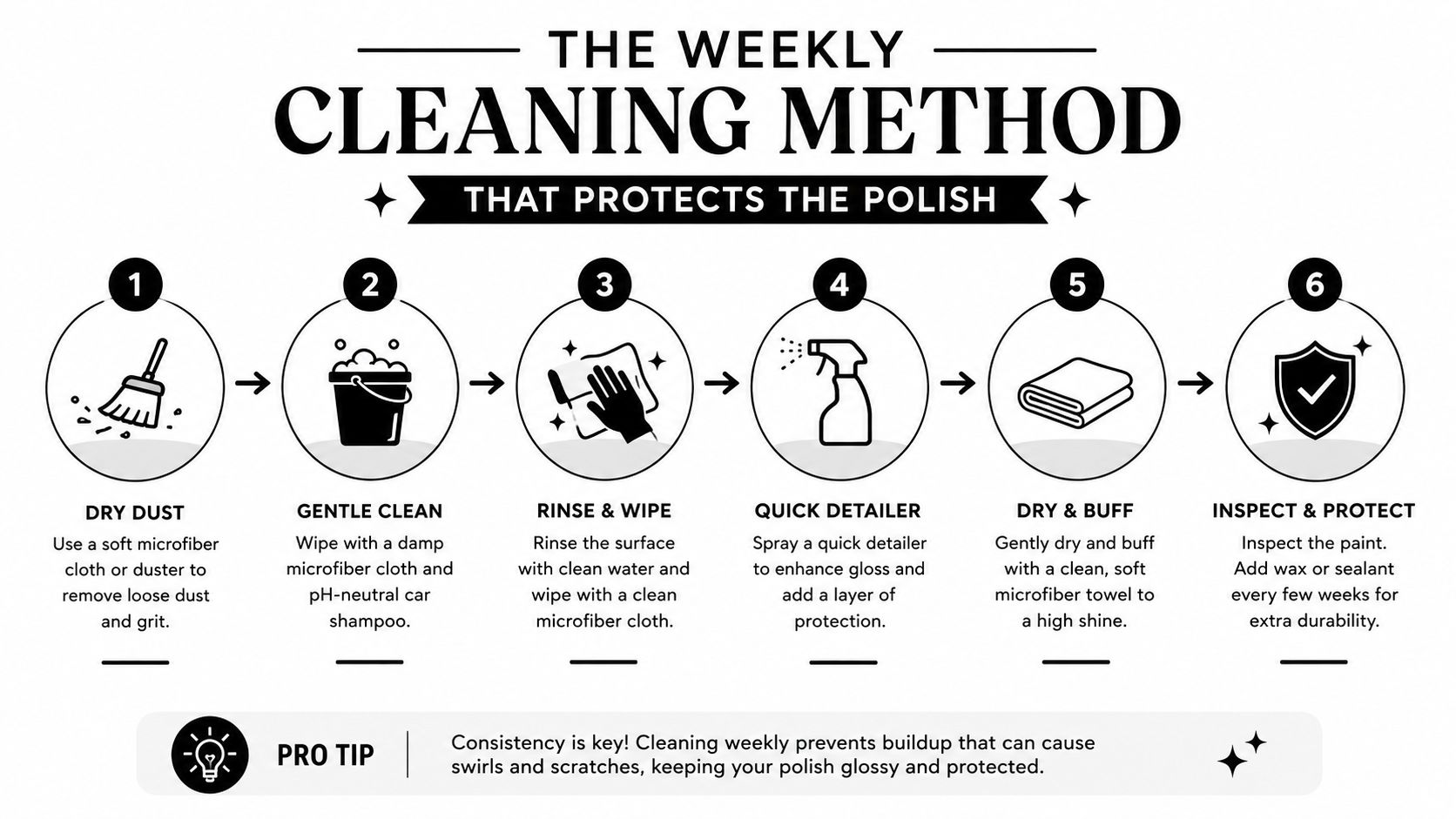
The safest weekly routine starts dry, not wet. A soft microfiber dust mop lifts grit before it can turn into fine scratches under a damp mop, and that's the part homeowners usually skip. After that, use warm water with a pH-neutral soap or stone cleaner, applied with a well-wrung microfiber mop or sponge. Marble doesn't need soaking, it needs controlled contact.
Work in sections, not floods
If you flood a bathroom floor, especially a shower recess, the water sits in grout lines and around cuts in the stone. That's where residue builds up, and where etching risk rises if someone has used the wrong product earlier. Clean a small section at a time, then rinse with clean water and dry immediately with a separate microfiber cloth or towel.
Don't let marble air-dry if you can avoid it. Water spots and soap residue show up fastest on polished stone that's left wet.
The biggest mistake I see is an over-wet mop. People treat marble the way they'd treat ceramic, then wonder why the floor looks streaky. A damp, not dripping, mop keeps the cleaner on the surface instead of pushing it deep into joints and edges. If the rinse bucket starts looking cloudy, change the water right away. Dirty rinse water just redeposits film.
For benchtops and vanity ledges, a soft towel works better than a squeegee in most homes. Squeegees can drag grit or leave marks on softer marbles if someone presses too hard. A towel gives you more control around taps, splashbacks, and the little curved edges where water tends to sit.
Used properly, this routine doesn't take long, and it doesn't need special equipment. It just needs consistency and a light hand. That's what keeps the polish intact.
Cleaners and Tools Worth Using and What to Keep Out of the Bathroom
The safest cleaners are boring in the best possible way. Look for pH-neutral stone soaps or cleaners labelled for marble and natural stone, ideally the sort sold through tile suppliers or hardware stores rather than generic “bathroom heavy duty” shelves. On Melbourne jobs, that usually means a neutral spray-and-wipe or a diluted stone wash that's designed to clean without cutting into the finish. Melbourne Tiling Services P/L also offers marble tile cleaning services and marble tile sealing services as part of broader marble care, which suits jobs where the surface needs more than a quick wipe.
What belongs under the sink
- pH-neutral stone cleaner: Safe for regular wipe-downs and weekly washing when used correctly.
- Microfiber mop and cloths: Soft enough for polished marble, as long as they're clean and free of trapped grit.
- Soft sponge: Useful around tap bases and shower edges where residue collects.
- Stone-safe spray bottle: Best for controlled application on splashback areas and vanity tops.
What stays out
- Vinegar and lemon juice: Both are acidic and can etch marble.
- Bleach and ammonia-based glass cleaners: Too harsh for calcium-carbonate stone.
- Citrus sprays and acid bathroom cleaners: These are made for ceramic and metal, not marble.
- Scouring powders and melamine sponges: They can dull a polished face.
- Abrasive nylon pads and worn toothbrushes: They seem gentle, but they scratch more than you might expect.
A cleaner that says “bathroom heavy duty” should make you pause. If the label lists acid or bleach, leave it on the shelf. The same goes for reused microfiber that has already picked up grit from another job. Once grit is trapped in the cloth, it turns a soft wipe into a scratch risk.
The best habit is simple. Read the label, choose neutral, and avoid anything that promises a hard reset. Marble rewards restraint, not force.
Dealing With Soap Scum and Hard-Water Spots Without Etching the Stone
Soap scum, hard-water spotting, and etching all look pale and hazy at a glance, but they need different responses. Soap scum is usually a film from body wash and shampoo residue. Hard-water spots are the chalky rings and crust that show up around taps, shower roses, and the base of a screen. Etching is different again, it's a dull patch caused by chemical contact, and no amount of scrubbing will bring the original polish back.
Read the surface before you clean harder
If the tile darkens when it gets wet, then dries back normally, the stone is still acting like sealed marble. If it darkens and stays absorbed, the sealer is probably failing and the issue is no longer just surface cleaning. That's the point where the job shifts from maintenance into a sealer problem.
Soap scum usually responds to a stone-safe cleaner left to dwell for a short period, then worked with a soft brush along grout lines and rinsed clean. Don't rush straight to abrasive pads. Hard-water deposits are more stubborn. If you catch them early, a dry microfiber buff can remove the light residue before it sets. If you need a mineral remover, it must explicitly state that it's safe for marble. A standard bathroom descaler is the wrong product because it relies on acid.
Good marble habit: remove the deposit, rinse, then dry straight away. Repeating the same wet cycle only feeds the spotting.
The difficult part for homeowners is that the problem usually isn't dirt alone. In Australian bathrooms, mineral-rich water and shower runoff can leave a persistent haze even when the tile has been cleaned properly. The answer is controlled cleaning, not stronger chemistry. If the spots return quickly after neutral cleaning and drying, the surface may need resealing rather than another round of scrubbing.
If you're unsure whether you're dealing with residue or etching, look at the sheen. Soap scum and mineral spotting sit on top of the stone. Etching sits in it. That difference changes everything.
Targeted Stain Removal and Simple Grout Care
Some marks on marble are manageable at home, but only if you treat them like stains, not grime. Oil-based marks from cosmetics or hair products often need an oil poultice, which draws the contamination out of the stone instead of pushing it deeper. Organic stains, such as tea or makeup, can often be handled with a hydrogen-peroxide-based poultice. These are slow methods, not quick fixes, but that's the point.
Know when to stop
Rust is different. A rust stain from a shaving tin base or a metal container usually means the metal has reacted with the stone. That's not a surface wipe, and it often needs a professional poultice or honing to correct properly. Scrubbing harder just roughs up the surrounding marble and makes the patch stand out more.
Grout and silicone are often the primary reason a bathroom looks dirty. A pale marble floor can look tired if the grout lines are dark, mouldy, or breaking down at the edges. Use a soft-bristle brush with a stone-safe cleaner on the grout itself, keeping the cleaner off the marble face as much as possible. For mould on grout, a dilute hydrogen-peroxide mist can help if it stays on the grout line and doesn't sit on the marble surface.
There's a point where regrouting is the honest answer. If the joints are cracked, powdery, or repeatedly stained, no cleaner will make them look new for long. That's when a tiler should assess whether the grout needs replacement rather than another round of spot treatment.
If the stain doesn't move with the right method, don't escalate to a harsher one. Change the approach or call a tiler.
A lot of homeowners are really cleaning around a failed joint or a stubborn stain source, not the stain itself. Once that's identified, the fix gets a lot more sensible.
Sealing, Resealing and a Simple Maintenance Schedule
A penetrating sealer helps marble resist absorption, but it doesn't make the tile waterproof. That distinction matters in a bathroom, where constant moisture and soap residue keep testing the surface. The easiest way to check a shower floor is the water test. Put a small amount of clean water on the stone, watch how it behaves, and read the result.
What the water test tells you
If the water beads and stays near the surface, the sealer is still doing useful work. If the stone darkens quickly and absorbs the water within about a minute, the sealer is overdue for attention. That doesn't always mean the stone is damaged, it usually means protection has worn thin and the tile is taking on moisture too readily.
For a Melbourne bathroom, a workable schedule is simple. Wipe down wet areas after each shower. Do the weekly routine already outlined. Give the room a deeper clean monthly. In heavy-use wet areas such as a main bathroom or ensuite, reseal roughly every 6 to 12 months, which matches common stone-care guidance for showers and other wet zones. That interval is especially relevant in Melbourne and coastal Victoria, where bathrooms often cop repeated moisture exposure.
The sealer choice matters too. A standard penetrating sealer suits most marble floors and walls because it protects without changing the look much. A colour-enhancing sealer can suit honed marble when a richer finish is wanted. Film-forming top-coat sealers are usually a poor match for bathroom floors because they can trap moisture and go cloudy.
For homeowners who want help beyond routine care, Melbourne Tiling Services P/L sealing stone tiles is the kind of service you look at when the surface needs restoration support, not just cleaning.
A simple maintenance rhythm
- After every shower: Dry the splash zones and floor edges.
- Weekly: Dust mop, wash with neutral cleaner, rinse, dry.
- Monthly: Check for spotting, residue, and grout breakdown.
- When the water test fails: Reseal before the surface starts absorbing more moisture.
That schedule keeps the stone in maintenance mode instead of repair mode. Once marble starts darkening too quickly, it's already telling you it needs attention.
When Cleaning Crosses Into Renovation Work in Victoria
There's a clear line between cleaning marble and doing bathroom renovation work. Routine washing, sealing, and even regrouting an existing shower are usually maintenance tasks. The moment the work touches the waterproofing membrane, alters plumbing, changes drainage, or replaces the substrate, the job moves into regulated building and plumbing territory in Victoria.
That matters because bathroom renovation work in Victoria must comply with the Victorian Plumbing Regulations and the National Construction Code, and plumbing work is generally required to be done by a licensed or registered plumber. For domestic building work above the legal threshold, builders must be registered with the Victorian Building Authority, and the state uses categories including unlimited registration for builders who can contract and manage a broad range of domestic building work. The legal side also matters under the Domestic Building Contracts Act 1995, which requires a written contract when the value is over $10,000 and involves insurance requirements for work over specified thresholds through domestic building insurance.
If you're already at the point where a shower keeps leaking, grout keeps cracking after replacement, or the marble loses polish because moisture is coming from below, cleaning isn't the answer anymore. That's renovation work, and it should be handled by the right people.
A registered builder becomes the sensible call when:
- Cracked grout returns quickly: The movement or waterproofing problem hasn't been solved.
- The shower base stays damp: The drainage or membrane may need investigation.
- Tiles keep losing polish despite proper cleaning: The issue may be underlying moisture or chemical damage that needs restoration.
- Waterproofing or plumbing is being altered: That's regulated work, not simple maintenance.
For Victorian homeowners, waterproofing compliance in Victoria is the sort of topic that belongs in the same conversation as tile care once the bathroom starts failing at the edges. Cleaning can preserve good marble, but it can't fix a bad membrane or a tired shower system.
If your marble bathroom tiles are already showing dull patches, spotting, or grout breakdown, Melbourne Tiling Services P/L can help with marble cleaning, sealing, restoration, and full bathroom renovation work when the problem has gone beyond maintenance. Visit Melbourne Tiling Services P/L to book a quote and get the right fix before the damage spreads.
Write a Comment