
Expert Commercial Tilers Melbourne: Flawless Results 2026

A commercial fit-out usually reaches the same pressure point. The joinery is nearly in, services are being finalised, the opening date is fixed, and suddenly the floor and wet areas become critical path. If the tiling slips, the whole programme slips with it. If the tiling goes in over a bad substrate or failed waterproofing, the problem doesn't show up at handover. It shows up later, when the tenant is operating, the bathrooms are in use, and the defect becomes your problem.

That's why choosing between commercial tilers in Melbourne isn't a styling decision. It's a delivery decision. The work has to look sharp, but it also has to perform under traffic, cleaning, moisture, movement and compliance scrutiny. In a market as broad as commercial tiling, there are plenty of operators. At the national level, Australia's Tiling & Carpeting Services industry was estimated to reach $8.0 billion in revenue in 2026, comprising 20,099 businesses, while the current year was projected to contract by 4.8% because of weaker commercial and industrial construction activity, according to IBISWorld's Australia Tiling & Carpeting Services industry report. In practical terms, that means buyers need to be selective about stability, systems and accountability.

From a Registered Builder's point of view, good commercial tiling starts well before the first tile is cut. It starts with scope clarity, substrate assessment, waterproofing responsibility, slip resistance selection, sequencing with other trades, and clear sign-off points. That matters just as much in a commercial bathroom renovation as it does in a lobby, kitchen, amenities block, balcony or public entry.

Table of Contents

Introduction Why Your Choice of Commercial Tiler Matters

A poor commercial tiling decision usually looks fine for a short while. The lines are straight, the grout is clean, and the client signs off. Then the test begins. Cleaners hit the floor daily. Tenants drag furniture. Wet areas stay wet. Door thresholds take traffic. If the falls are wrong, water sits. If the substrate moves, grout cracks. If the membrane was never properly addressed, the leak returns and everyone argues about who owns it.

That's why the right contractor has to think beyond finish. Commercial tilers in Melbourne deal with environments that punish shortcuts. Restaurants need floors that can cope with grease and washing. Office amenities need durable detailing around fixtures and penetrations. Retail tenancies need finishes that can be delivered on programme, often after hours, without disrupting adjoining trades.

Practical rule: If a tiler talks mainly about tile style and barely mentions substrate, falls, movement, waterproofing or compliance, you're probably talking to the wrong contractor for a commercial site.

The best outcomes come from teams that understand sequencing and defects risk, not just installation. On commercial work, the tiler has to read the site properly, identify what must be rectified before tiling begins, and push back when another trade leaves an issue behind. That pushback saves time later.

For bathroom renovations in commercial settings, this becomes even more important. Amenities upgrades in offices, medical suites, hospitality venues and shared facilities often involve demolition, plumbing changes, waterproofing, floor correction and new finishes in a tight footprint. A Registered Builder can coordinate those moving parts under one scope instead of leaving the client to chase separate trades and separate excuses.

Beyond the Surface What a Commercial Tiler Really Does

The work before the tile matters most

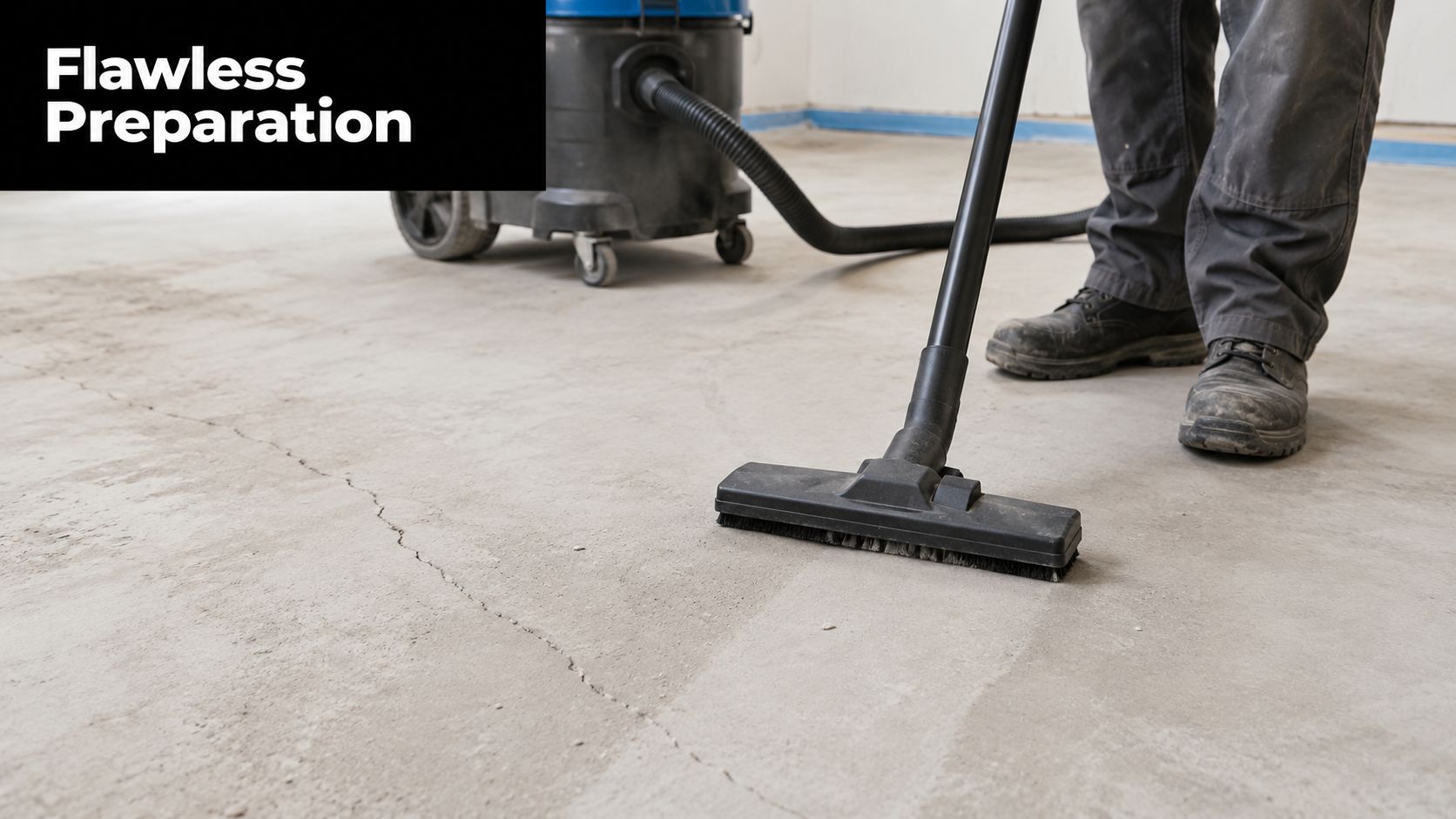
People outside the trade often think tiling starts with tile selection. On a commercial site, it starts with the base. If the substrate is out, damp, weak, contaminated or poorly set out, the finish will never perform properly.

A competent commercial tiler should be dealing with work such as:

  • Substrate assessment: checking whether the slab, screed, wall sheeting or existing surface is suitable to receive tile.
  • Moisture and condition checks: identifying dampness, contamination, bond breakers and signs of previous failure.
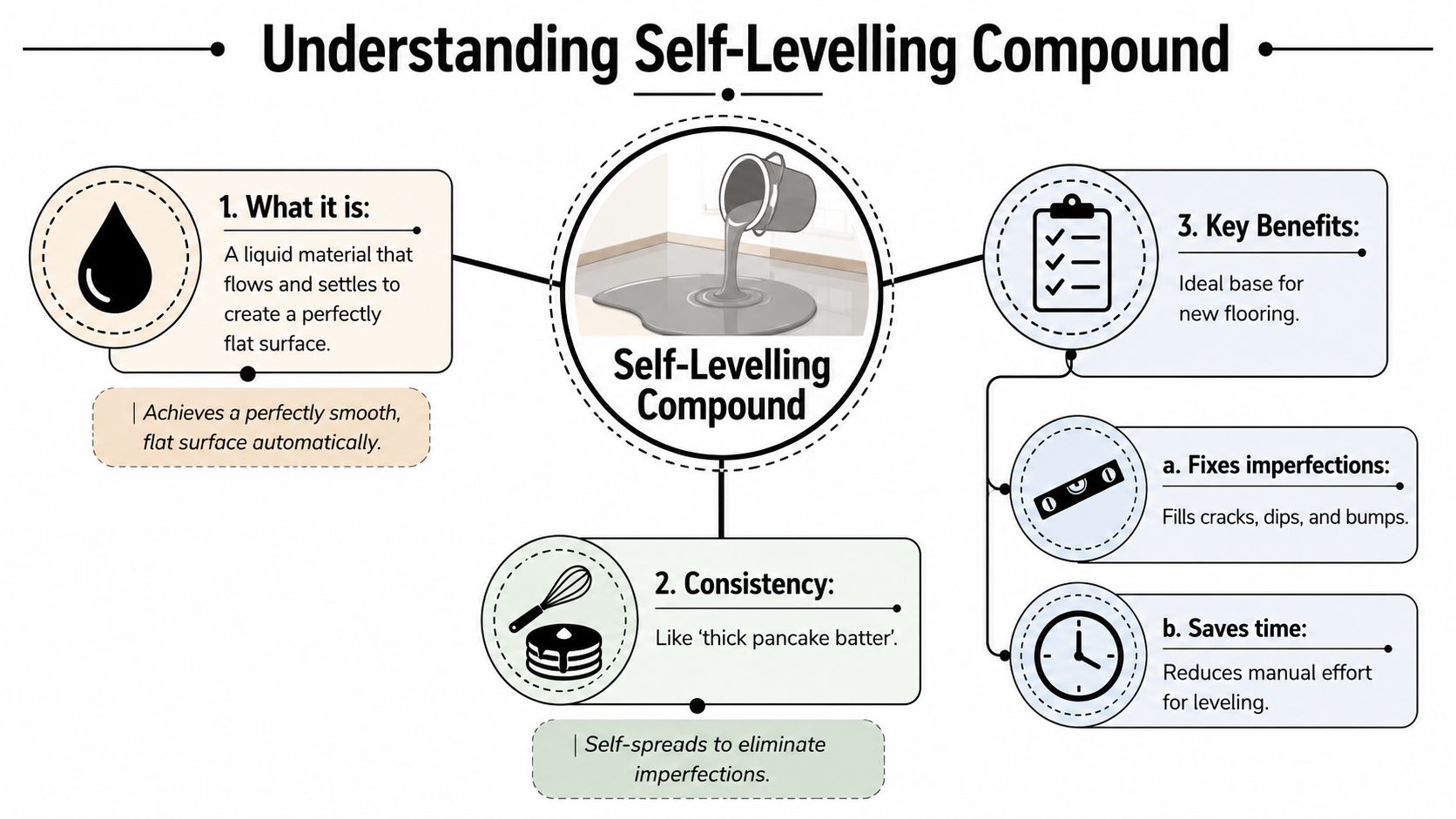
  • Floor correction: using screeding or self-levelling where needed so levels, falls and transitions work in real use.
  • Set-out planning: making sure cuts, movement joints, drain positions and thresholds are resolved before installation begins.
  • Adhesive and grout selection: matching the system to the tile type, format, traffic demands and exposure conditions.

That's the difference between basic laying and professional commercial delivery. One puts tiles down. The other builds a tiled system that can survive use.

A lot of defects trace back to rushed preparation. Large-format porcelain over an uneven slab will produce lippage. A bathroom floor with poor falls will pond around pans and vanities. Balcony tiling over a compromised base will fail no matter how expensive the tile is.

Why a Registered Builder changes the outcome

This is where builder-led coordination matters. Commercial bathroom renovations aren't just tiling packages. They usually involve demolition, carpentry, plumbing, electrical work, waterproofing, glazing and finishing trades. If nobody controls the sequence, one trade buries another trade's mistake.

A Registered Builder gives the client a single point of responsibility. Instead of the tiler saying the plumber caused the issue, and the plumber saying the waterproofer caused it, the scope is managed as one buildable package. That reduces the usual communication gaps around penetrations, hob details, floor wastes, wall straightness and door clearances.

For teams comparing delivery models, Melbourne commercial tiling services is a useful example of a contractor structure that sits within a broader renovation and building workflow rather than operating as tile labour only.

On commercial work, the neatest finish often comes from the least glamorous decisions made early: straight framing, correct falls, clean penetrations and disciplined trade sequencing.

That's also why experienced commercial tilers ask harder questions at tender stage. Who owns waterproofing design? Is the substrate new or existing? Are there after-hours access restrictions? Has the hydraulic layout changed? Those questions aren't a delay. They're part of delivering a floor or wet area that won't come back as a defect.

Core Commercial Tiling Services for Melbourne Projects

Some commercial projects need pure installation. Many don't. In Melbourne, the stronger operators are usually the ones who can handle specialty wet area work, remediation and high-finish architectural surfaces as part of a broader build scope.

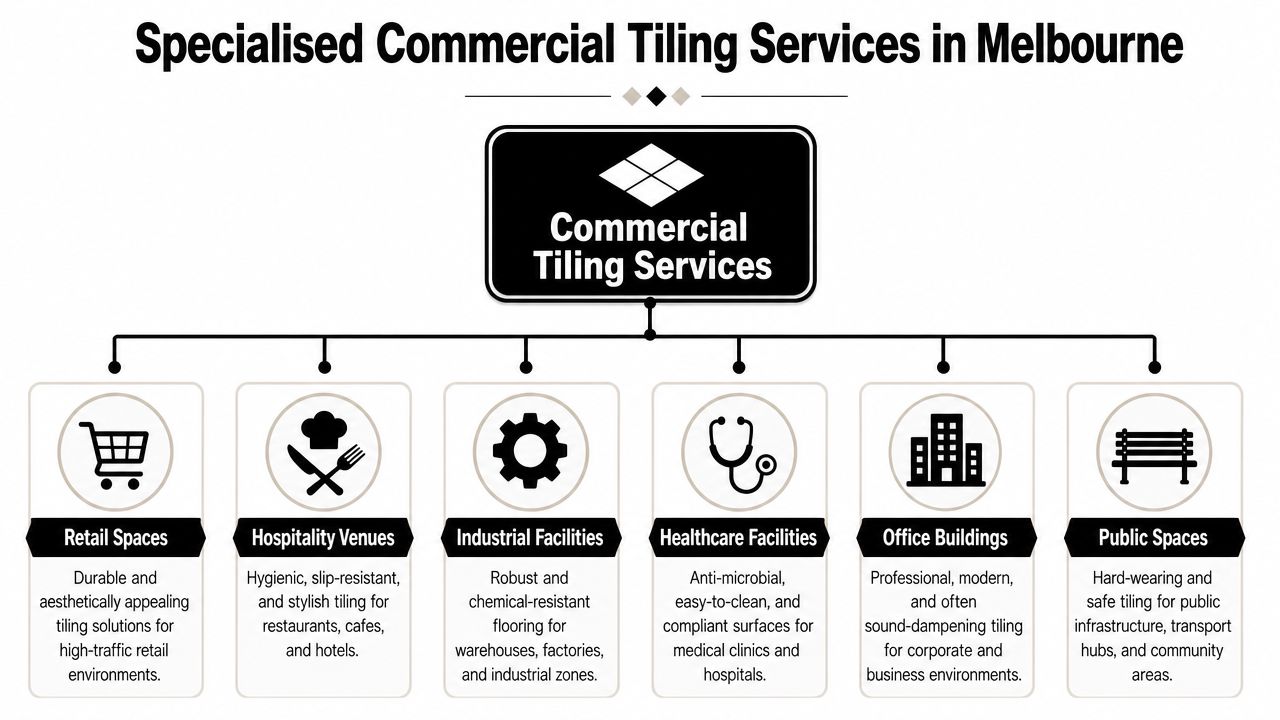
A diagram illustrating diverse commercial tiling services offered in Melbourne for various facility types and environments.

Commercial bathroom renovations

Commercial bathrooms wear out differently from residential ones. The problem isn't just age. It's traffic, aggressive cleaning, vandal resistance, accessibility needs and downtime pressure. A bathroom in an office, café, clinic or retail site has to be easy to maintain and quick to return to service.

The tiling component usually includes:

  • Wall and floor retiling: often with more durable edge detailing and cleaner junctions than a domestic bathroom.
  • Floor fall correction: especially where existing amenities have poor drainage or standing water.
  • Penetration detailing: around pans, mixers, basins and service points.
  • Integration with other trades: because a bathroom renovation rarely stops at tiles.

In these jobs, appearance matters, but serviceability matters more. Tight grout joints, clean silicone work and well-resolved floor wastes make maintenance easier. Poor detailing does the opposite.

Balcony tiling and remediation

Balconies fail when water management fails. The visible symptom may be drummy tiles, stained soffits, cracked grout or leaks into spaces below. The underlying issue is usually deeper. Falls may be wrong. Water may be trapped. The membrane may be compromised. Edge detailing may never have been resolved properly.

A proper balcony scope often includes strip-out, assessment of the base, repair or replacement of screed, membrane work, then retiling. Retiling without remediation is mostly cosmetic. It doesn't fix the pathway water is already using.

Critical waterproofing and wet area preparation

Waterproofing is where many commercial sites either get disciplined or get expensive. Wet areas need clear responsibility, clean substrates, correct junction detailing and proper sequencing with plumbing and carpentry. A membrane applied to a poor base is still a poor system.

For property managers and builders assessing integrated scopes, commercial tiling and waterproofing services are relevant because they address preparation and moisture protection together rather than as disconnected trades.

Here's what tends to work, and what doesn't:

Situation What works What fails
Existing wet area with leak history Open up, inspect, diagnose, rectify substrate and membrane before retiling Tiling over the old problem to improve appearance
New amenities build Confirm penetrations, floor wastes and set-downs before membrane and tile Letting trades alter details after waterproofing is complete
High-use bathroom Durable tile, suitable grout system, cleanable detailing Prioritising a decorative finish that's hard to maintain

Large format and architectural finishes

Large-format panels and slim-profile products can look exceptional in foyers, premium amenities, feature walls and selected external applications. They also punish bad preparation. The flatter the tile, the flatter the substrate has to be. There's nowhere to hide.

These installations require careful handling, accurate cutting, consistent adhesive coverage, and realistic planning around access and breakage risk. A contractor who mainly handles small-format domestic work may not have the right systems for this sort of package. With Kerlite, porcelain slabs, stone-look panels and minimal-joint layouts, the substrate and set-out do most of the heavy lifting.

Navigating Melbourne Tiling Compliance and Licensing

Commercial tiling in Melbourne sits inside a broader compliance framework. Clients often treat this as paperwork. It isn't. Compliance determines whether the finished space is safe to use, defensible if there's a claim, and less likely to come back as rectification.

Slip resistance is a specification issue

One of the biggest mistakes on commercial projects is choosing tile by appearance first and function second. In wet and transitional areas, that approach creates risk. For commercial projects in Melbourne, specifying the correct tile is governed by slip resistance compliance under AS 4586, which classifies floor performance in wet conditions. In practice, that means selection has to prioritise safety and function over appearance alone in areas such as kitchens and bathrooms, as outlined in this commercial tile specification guide discussing AS 4586.

That affects more than the tile face. It also affects:

  • Cleaning regimes: some surfaces perform differently depending on contamination and maintenance.
  • Location decisions: an entry, commercial kitchen and toilet area don't all need the same finish.
  • Risk allocation: if a slip occurs, people will review what was specified and why.

A polished tile that looks good in a sample board can be the wrong product for a busy wet entry. On a commercial site, the right tile is the one that suits the actual use.

Licensing and accountability on site

Licensing matters because defects rarely sit neatly within one trade line. Waterproofing, tile installation, drainage falls, substrate condition and bathroom renovation sequencing overlap. When there's a failure, the first question isn't “who laid the tile nicely?” It's “who was responsible for the compliant system?”

That's why clients should ask who is carrying the build responsibility, especially where bathrooms are being reconfigured, penetrations are moved, or remediation is involved. A Registered Builder understands the interfaces between trades and can manage documentation, sequencing and rectification in a way that pure labour-only tiling outfits often can't.

For projects that need formal wet-area documentation, Victorian waterproofing compliance certificate information is worth reviewing before works start, not after a dispute begins.

A compliant project doesn't just pass inspection. It leaves a record of who did what, what system was used, and how the work was signed off. That record becomes valuable if the tenancy changes hands, if a leak appears later, or if the owner needs to show due diligence.

How to Hire the Right Commercial Tiler A Checklist

Most hiring mistakes happen before demolition starts. The quote looks neat, the tile allowance seems workable, and the client assumes all tilers are pricing the same scope. They rarely are. One contractor may be pricing full preparation, coordination and compliance. Another may be pricing tile laying only, with half the risk left out.

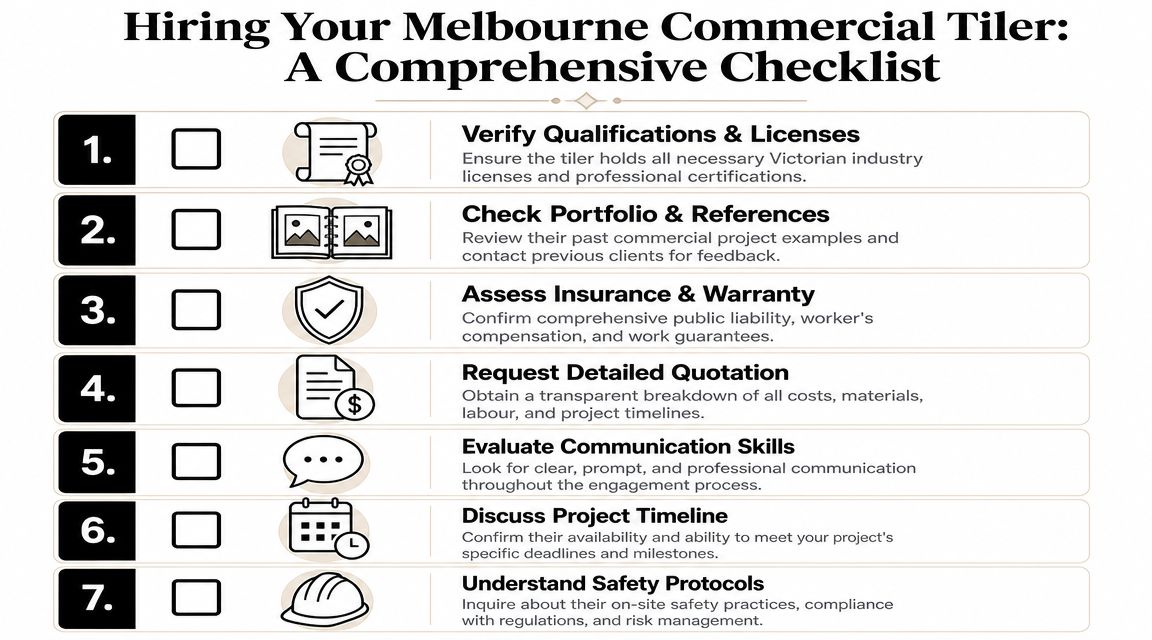
A checklist infographic outlining seven essential steps for hiring professional commercial tilers in Melbourne, Victoria.

What to ask before you accept a quote

Use the first meeting to test how the contractor thinks. Don't just ask whether they can do the job. Ask how they'd control the risk.

  • Registration and trade structure: Ask whether they operate only as tilers or whether a Registered Builder is managing the package where renovation works are involved.
  • Comparable commercial work: Request examples of projects with similar access, programme pressure, wet area complexity or tenant constraints.
  • Insurance position: Confirm they carry the appropriate current insurances and that the scope they're quoting matches the work they're insured to perform.
  • Defect approach: Ask what they do if they find moisture, poor falls, movement, or a compromised substrate after strip-out.
  • Trade coordination: In bathroom renovations, ask who coordinates plumbing, electrical, carpentry and waterproofing interfaces.

The good contractors usually answer directly. They'll talk about process, hold points and exclusions. The weak ones tend to stay vague.

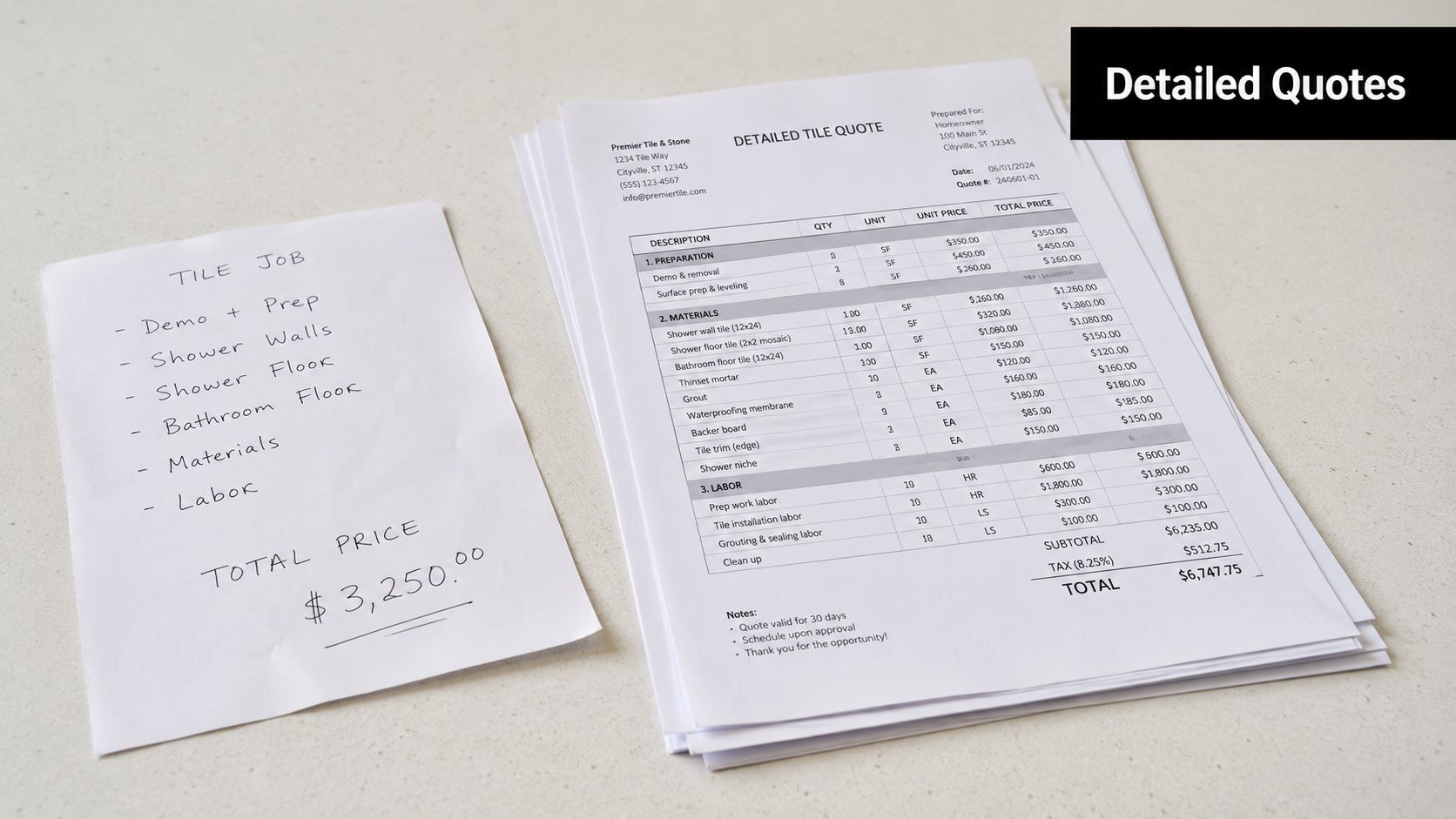
What a solid commercial quote should include

A commercial tiling quote should tell you where the responsibility starts and where it stops. If it doesn't, expect variation disputes later.

Look for these inclusions:

  1. Demolition and disposal clarity
    If old finishes are being removed, the quote should say what comes out, what gets retained, and who disposes of waste.

  2. Preparation scope
    It should identify whether screeding, self-levelling, grinding, patching or substrate repair is included, excluded, or provisional.

  3. Waterproofing responsibility
    Wet areas need explicit wording. Don't assume the membrane is included because the space is a bathroom.

  4. Tile installation details
    Ask what adhesive system, grout type, trims, movement joints and sealants are included.

  5. Site access assumptions
    After-hours work, restricted access, staged works and live-site conditions all affect labour and sequencing.

  6. Programme and hold points
    A realistic contractor will allow for curing, inspection and coordination, not just a neat finish date.

A quick comparison helps:

Quote type Typical warning sign
Very cheap Preparation is vague, waterproofing is assumed, exclusions are buried
Very short No mention of falls, substrate condition, movement joints or access limits
Very polished Looks complete, but doesn't identify who owns defect discovery after strip-out

If a quote doesn't explain what happens when the existing substrate is worse than expected, it's incomplete. Commercial renovation work regularly uncovers hidden conditions.

For buyers who want a builder-led option rather than a labour-only crew, Melbourne Tiling Services P/L is one example of a Melbourne contractor that combines bathroom renovations, waterproofing, screeding, self-levelling and tiling under a Registered Builder structure. That model suits projects where accountability matters as much as finish quality.

Common Tiling Problems and Expert Solutions

The most expensive tiling defects are the ones people try to patch. A cracked grout joint gets regrouted. A leaking shower gets new silicone. A drummy balcony gets a few tiles replaced. The surface looks better for a while, but the underlying failure stays in place.

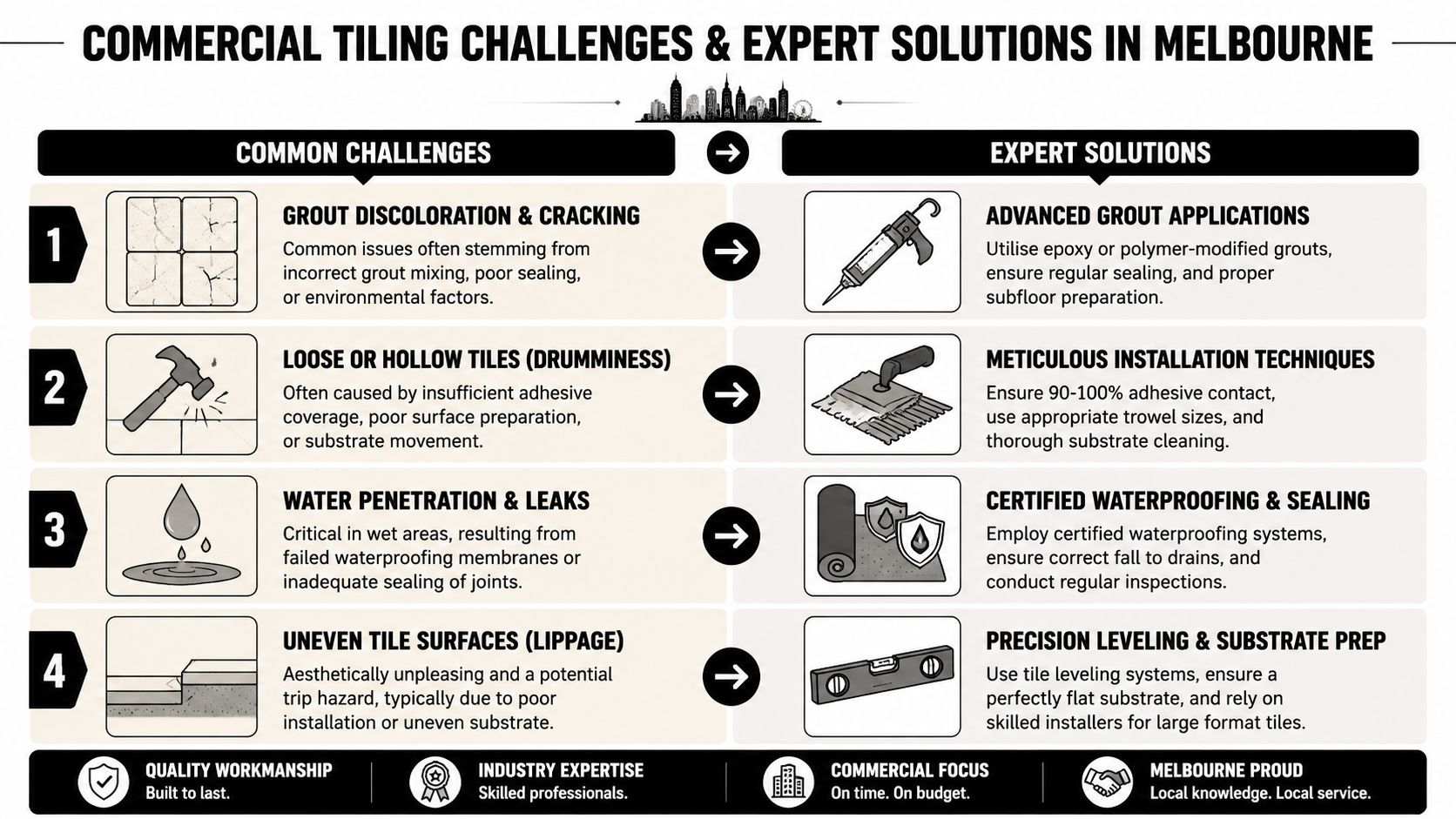
A professional infographic highlighting common commercial tiling challenges and expert solutions provided by Melbourne tilers.

Leaks are rarely a tile problem

In Victoria, waterproofing failures in bathrooms and on balconies are among the most common building defect claims, and the practical issue for clients is who diagnoses the leak and ensures compliance before retiling. Replacing tiles alone often hides the underlying structural issue, as noted in this discussion of commercial tiling, leak diagnosis and waterproofing responsibility.

That matches what happens on site. The tile is usually not the waterproof layer. If water is getting through, the professional response is to investigate the full assembly. That can involve removing tiles, checking the screed, examining falls, looking at junctions and penetrations, and confirming whether the membrane has failed or was never adequate.

The shortcut is obvious. Replace cracked grout, reseal, and hope. The proper fix is slower, but it addresses the cause.

Other failures that show up too late

Some common commercial problems are less dramatic than a leak, but they still point to process failures.

  • Lippage on floors or walls: usually traced back to poor substrate preparation, rushed set-out, or unsuitable installation methods for large-format tile.
  • Efflorescence or staining: often indicates moisture movement through the substrate or salts being carried to the surface.
  • Loose or hollow tiles: commonly linked to bond failure, poor coverage, contamination, or movement underneath.
  • Recurring grout cracks: often a sign of movement, poor control joints, or a substrate issue rather than a grout-only problem.

The difference between a patch and a remedy is simple:

Problem Quick fix Professional solution
Leak in a shower or balcony Regrout and reseal Open up, diagnose source, rectify membrane or substrate, then retile
Uneven finished surface Replace one or two visible tiles Correct flatness issue and reset affected area properly
Hollow-sounding floor Ignore until more tiles fail Investigate bond and substrate movement before localised or broader rectification

Commercial tilers in Melbourne who understand remediation don't rush to save the visible finish at the expense of the system underneath. They know that the client will judge the job later, when the area is back in service.

Understanding Project Timelines and Investment

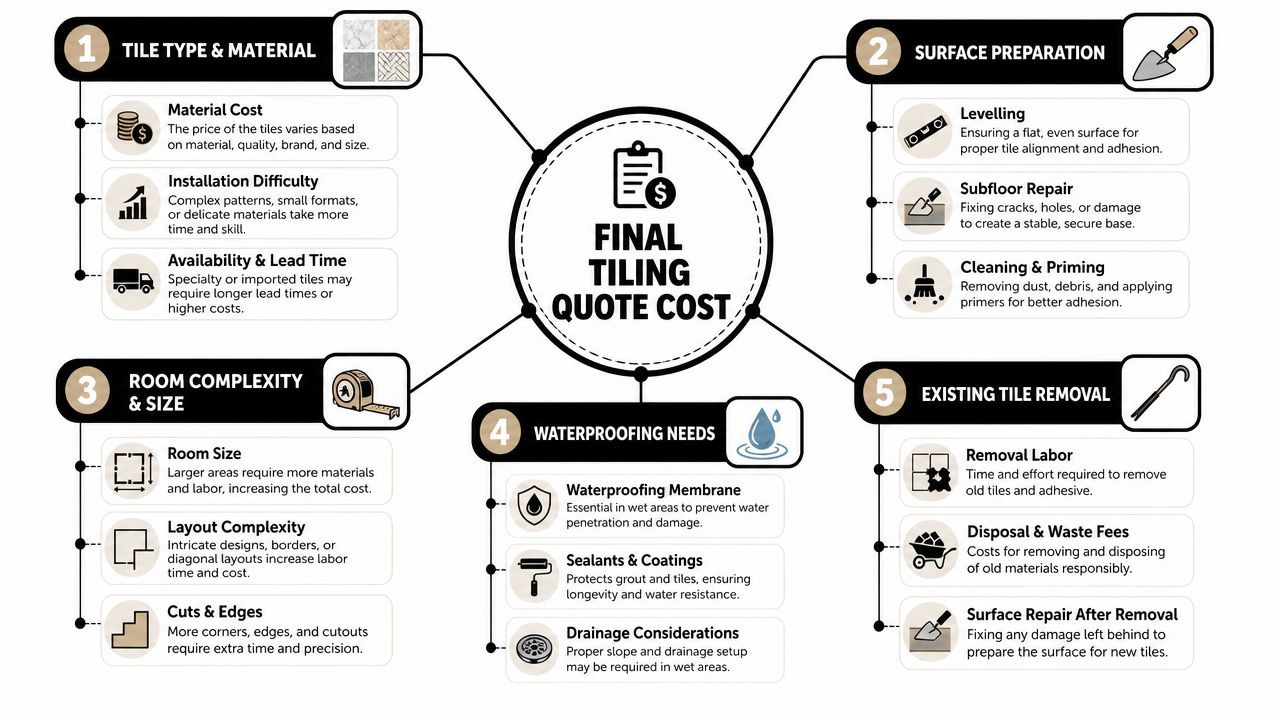
Timelines and price depend less on the tile itself than on what the site demands before installation starts. A straightforward new-build tenancy with a clean, flat substrate moves very differently from a bathroom renovation inside an operating building with restricted access, demolition, service changes and wet area remediation.

What drives time on site

The main programme variables are access, preparation, curing time, trade coordination and defect discovery after strip-out. Bathroom renovations often slow down not because tiling is difficult, but because hidden conditions appear once the old finishes are removed. The same applies to balconies and leak-rectification work.

A practical way to think about timing is to separate the job into three parts:

  • Pre-tiling work: demolition, substrate correction, screeding, service adjustments, waterproofing
  • Installation: set-out, cutting, laying, grouting, sealing
  • Post-installation return to service: curing, fit-off, cleaning, defect checks

What drives price

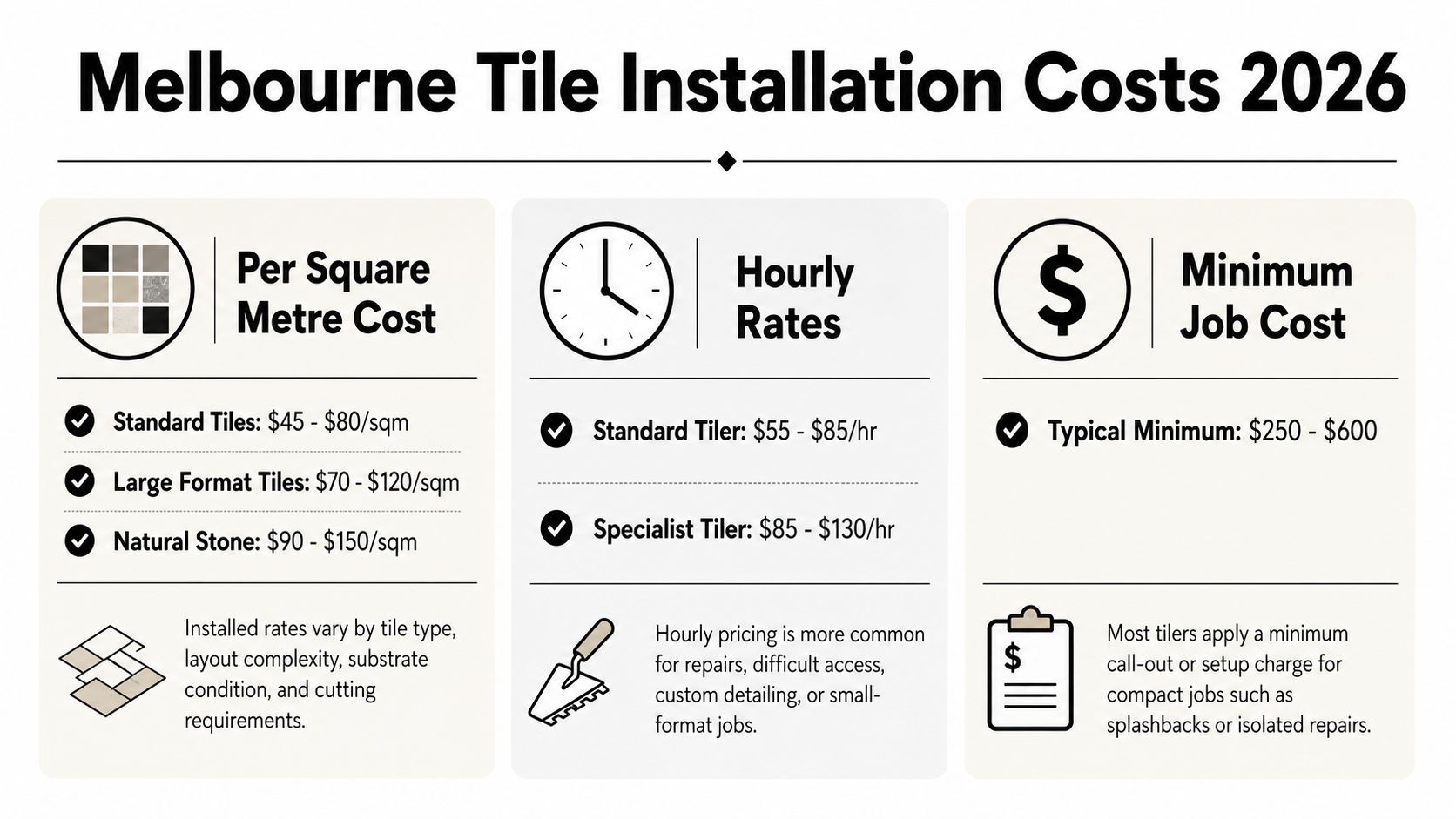
In Melbourne, commercial tiler labour-hire rates can range from $53 to $126 per hour plus GST, depending on skill, site complexity and whether after-hours work is required, according to Harrison Barratt's Melbourne tiler labour-hire rates. That spread tells you why one quote can look nothing like another even before material choices are considered.

A few things push projects toward the higher end of effort and cost:

  • Complex wet area work
  • After-hours or staged access
  • Specialist large-format installation
  • Balcony remediation and leak rectification
  • Detailed bathroom renovation coordination under a builder-led scope

The only reliable way to price commercial tiling is to inspect the site, define the hidden-risk items and separate installation from remedial work. That provides the client with a quote they can rely on, rather than a low number that grows once the project starts.

Frequently Asked Questions

Do commercial tilers handle bathroom renovations or just the tiling?

Some do only the tiling package. Others work within a broader renovation scope. For commercial bathroom renovations, a builder-led team is usually easier to manage because plumbing, electrical, carpentry, waterproofing and tiling all have to line up.

Why does a bathroom leak return after retiling?

Because the tiles often weren't the original problem. If the substrate, falls or waterproofing membrane weren't rectified, new tiles only cover the same failure again.

Are balconies a tiling job or a waterproofing job?

Usually both. If the balcony is leaking, drummy or ponding, the tile finish and the waterproofing system need to be assessed together. Treating them separately often leads to incomplete rectification.

Should I choose tile based on appearance first?

Not on a commercial project. Start with location, traffic, moisture exposure, cleaning method and safety. Then choose the finish that suits those conditions.

What should I have ready before requesting a quote?

Plans if you have them, photos, site address, access details, whether the building is occupied, and a clear note on whether it's new work, renovation, or leak rectification. If it's a bathroom renovation, include whether fixtures are moving.


If you need a commercial tiling contractor who can also manage bathroom renovations, waterproofing, screeding, self-levelling and leak rectification under a Registered Builder structure, Melbourne Tiling Services P/L offers quotes, 3D drawings and project planning support across Melbourne and greater Victoria.

Swimming Pool Tiling Melbourne: 2026 Guide

You're probably looking at one of two situations right now. Either you're planning a new backyard pool and want the finish to feel as refined as the rest of the home, or you've got an older tiled pool in Melbourne that's starting to show the usual warning signs: loose tiles, stained grout, hollow spots, water loss, or patch repairs that never quite matched.

That's where many homeowners get steered in the wrong direction. They focus on tile colour first, price second, and only much later discover that swimming pool tiling in Melbourne isn't a decorative add-on. It's a wet-area construction job tied to substrate preparation, waterproofing, movement, drainage, trade sequencing, and compliance.

A properly tiled pool has more in common with a high-end bathroom renovation than is often appreciated. In both, the visible finish only performs when the hidden system underneath has been built correctly. The difference is that a pool is exposed to permanent water load, exterior conditions, and structural movement. That raises the stakes.

Table of Contents

The Foundation of a Flawless Pool: Waterproofing and Screeding

A tiled pool only lasts when the shell underneath is prepared as a system. That means the shape has to be true, the falls have to be right, the substrate has to be sound, and the waterproofing has to be applied with discipline. If any one of those steps is handled casually, the finish above it becomes vulnerable.

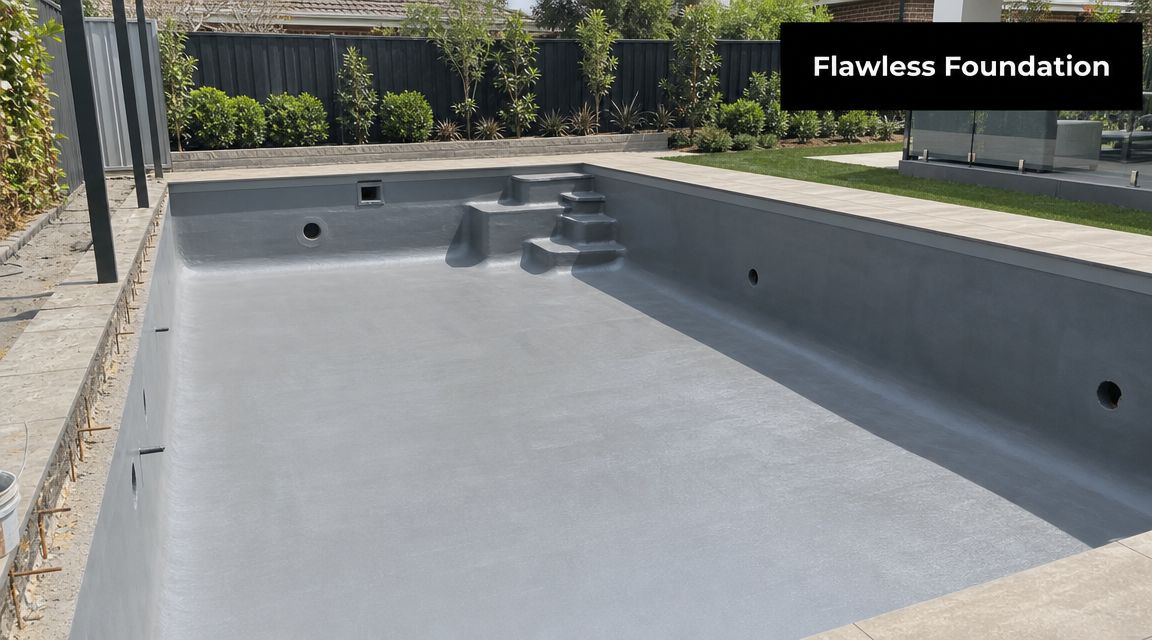
A newly installed empty grey swimming pool shell ready for tiling in a backyard setting.

Homeowners often hear the word screeding and assume it just means flattening a surface. In pool work, it's more exact than that. Screeding creates the correct plane for the tile finish, resolves minor irregularities in the shell, helps maintain clean lines through walls and floor transitions, and allows steps, benches, entries and curves to read properly once tiled.

Why the hidden layers matter most

The same lesson comes up repeatedly in complex bathroom renovations. Clients see stone, porcelain, niches and fixtures. Trades see substrate condition, movement, falls, junctions and membrane continuity. Pools work the same way, only with a much harsher service environment.

For a technically sound Melbourne pool, substrates should not vary more than 10 mm in 3 m for thick-bed installations, and the waterproofing build-up should use two coats to achieve at least 1.2 mm dry-film thickness, followed by 24 hours curing before tiling, as outlined in ARDEX's Australian swimming pool tiling recommendation.

That's not paperwork for paperwork's sake. If the substrate is out, the tile bed becomes inconsistent. If the membrane is thin, rushed, or interrupted at changes in plane, water pressure eventually finds the weakness. In pool work, shortcuts don't stay hidden.

For homeowners comparing wet-area methods, it helps to understand how waterproofing systems for Melbourne tiling projects are structured across bathrooms, balconies and pools. The principle is the same. Contain water, protect the structure, and build the finish on a stable base.

What works and what doesn't

What works:

  • Accurate substrate correction so the shell presents a true surface for adhesive and tile.
  • Full membrane build-up applied in sequence, not patched in isolated spots.
  • Respect for curing time before the next trade steps in.
  • Set-out planning before tiling starts, especially around steps, returns, skimmer areas and curved walls.

What doesn't:

  • Tiling over an uneven shell and expecting adhesive to make up the difference.
  • Treating waterproofing as a quick coating job instead of a controlled wet-area process.
  • Rushing the handover between trades while surfaces are still green.
  • Assuming a nice tile can rescue poor prep.

Practical rule: If the shell, screed and membrane aren't right, the tile finish is already compromised before the first sheet goes on.

Choosing Your Pool Tiles: A Melbourne Style and Durability Guide

A tile can look perfect in the showroom and still be the wrong choice for your pool.

I see that mistake when owners choose on colour first, then try to force the material to suit the shell, the waterline, the steps and the maintenance demands later. Pool tiling is tied to structure, waterproofing and movement. That is one reason a registered builder approaches tile selection differently from a decorator or retail salesperson. The finish has to work with the build system underneath it, not just the design brief.

Melbourne conditions make that even more important. Summer heat, winter temperature swings, UV exposure, pool chemistry and regular cleaning all place pressure on the tile assembly. The right selection balances appearance, slip considerations, cleaning effort, pool geometry and the way the shell has been formed.

How each material behaves in a pool

Feature Glass Mosaic Tiles Porcelain Tiles Ceramic Tiles
Look Luminous, reflective, premium finish Clean, contemporary, versatile Traditional and varied
Best use Feature interiors, curves, waterline detailing Broad surfaces, steps, surrounds, modern formats Simpler layouts where the product is rated for pool use
Handling curves Very good with mosaic format Depends on tile size and pool shape Depends on tile size and pool shape
Visual effect in water Strong shimmer and colour depth More solid, architectural appearance Softer, classic look
Maintenance feel Needs careful installation and consistent backing Generally straightforward if selected well Varies with product quality
Budget position Higher material entry point Mid to premium depending on range Lower to mid depending on range

Material cost matters, but it should not drive the first decision. Industry guidance from SPASA Australia's pool and spa information resources is useful for understanding product suitability, safety and pool construction expectations, especially where different finishes and installation methods are being compared. In practice, renovation work usually costs more than new work because access, demolition, substrate correction and detailing are harder to price than tile supply alone.

A practical way to compare finishes before you commit is to review tiling materials used across wet areas and exterior applications. The same product questions apply in high-end bathrooms and balconies. Water absorption, slip resistance, edge quality, chemical resistance and compatibility with the fixing system all matter. In pools, there is less tolerance for getting any of them wrong.

What usually works best in Melbourne homes

Glass mosaics are often the right answer for curved pools, rounded entries, spa spillovers and feature interiors where water colour and light reflection are part of the design. They suit complex shapes well because the sheet format can follow curves that larger tiles fight against. The trade-off is that every inconsistency shows. If the substrate is uneven, the sheets are poorly aligned, or the adhesive coverage is patchy, the finish will read that way forever.

Porcelain is a strong option for geometric pools, steps, bench seats, surrounds and coping transitions where a sharper architectural line is wanted. Good porcelain is dense, stable and easier to keep visually consistent across large areas. The limitation is format. Large units can look excellent on straight runs, but they are less forgiving on tight curves, internal angles and irregular shells.

Ceramic can still be used successfully, but only when the product is correctly specified for pool conditions. That means checking more than colour and price. Water absorption, frost tolerance where relevant, slip rating on walkable surfaces and manufacturer suitability for submerged use all need to be clear before the tile is ordered.

The pool shape should guide the tile format. A small mosaic may suit a freeform shell. A larger porcelain tile may suit a rectilinear lap pool. A mixed scheme can also work well, with mosaics internally and porcelain to adjacent surrounds, but the junctions need to be resolved properly so the finish looks deliberate rather than pieced together.

This is where builder-level experience matters. Pool tiling sits in the same technical family as complex bathroom renovations. Both rely on sound substrate preparation, disciplined waterproofing and material compatibility. The difference is that a pool stays under constant water load. Selection is not just a style exercise. It is part of the construction method.

The right pool tile is the one that suits the shell, the waterproofed system, the pool's use and the level of maintenance you are prepared to live with for years.

The Pool Tiling Installation Process and Professional Timeline

Good pool tiling follows a sequence. When that sequence is respected, the finish looks calm and intentional. When trades overlap, materials are rushed, or decisions are made on the run, the defects usually show up later, not immediately.

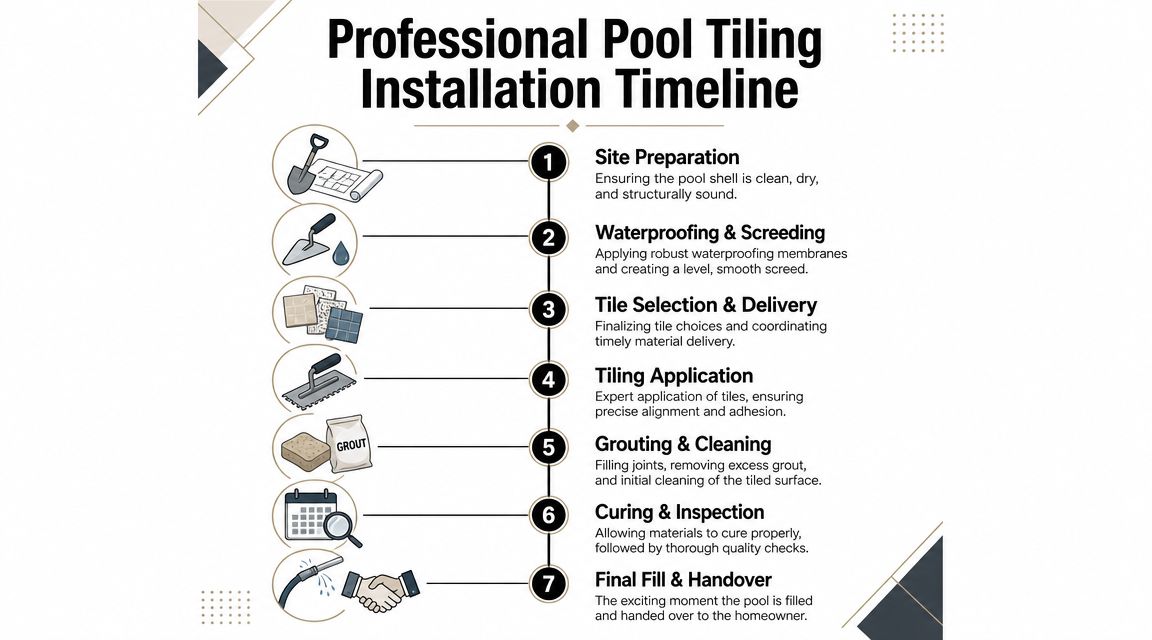
A professional pool tiling installation timeline graphic showing the seven essential steps from preparation to handover.

A professional program starts with the shell, not the tile delivery. On renovation work, the pool may need to be drained, stripped, cleaned and assessed before anyone can confirm the final tile method. Old coatings, failed adhesive, substrate contamination and previous repairs can all alter the scope.

What happens before the first tile goes on

A registered builder or properly coordinated lead contractor will usually move through the job in this order:

  1. Pool assessment and preparation
    The shell is checked for soundness, contamination, visible cracking, and geometry issues. Existing finishes may need removal. Surfaces are cleaned and prepared so the next layers can bond properly.

  2. Repairs, screeding and surface correction
    During this stage, steps, floors, walls, curves and edges are brought into line. Clean set-out later depends on disciplined prep here.

  3. Waterproofing application
    The membrane system is applied as part of the wet-area build-up, then left to cure as required before tiling begins.

  4. Tile set-out and laying
    Sheet lines, corners, penetrations, returns, skimmer areas and step faces are planned before adhesive is spread. This is one of the biggest differences between trade craftsmanship and reactive installation.

Here's a visual overview of that sequencing in practice:

Why the timeline can't be rushed

Once tiles start going on, the pace still has to stay controlled. Adhesives need proper conditions. Grouting needs timing. Cleaning needs care. Final inspection needs a clear eye, not a race to fill the pool before a weekend event.

The timeline on swimming pool tiling Melbourne projects varies with access, weather, shell condition, detail complexity and whether it's new work or renovation. What matters most is not whether someone promises speed. It's whether they can explain the sequence and justify the waiting periods between stages.

A well-run job also protects finished work from following trades. That's another place where builder-led projects stand out. Someone is responsible for the whole site, not just for laying tile.

  • Preparation stage often reveals hidden issues that change the method.
  • Curing periods protect the waterproofing and tile bond from premature loading.
  • Inspection points catch alignment, lippage, sheet lines and coverage problems before they're locked in.
  • Final fill should only happen once the installation system is ready for service.

Budgeting for Swimming Pool Tiling in Melbourne

A budget blowout on a tiled pool usually starts with a cheap-looking quote and a shell that has not been properly assessed. By the time the old finish is removed, hollow areas show up, fittings need correction, falls are out, and the tiling allowance no longer reflects the actual job.

That is why pool tiling should be budgeted as a building and waterproofing project first, and a finish selection second. A registered builder prices the shell condition, substrate preparation, waterproofing continuity, movement detailing, and compliance risk. A tiler pricing off photos or a rough square metre rate often does not.

What actually drives the cost

Square metre rates are only one part of the picture. The final cost usually turns on five things. Shell condition, access, tile selection, detail complexity, and who is taking responsibility for the work as a whole.

New pools are generally more predictable because the substrate and sequencing are controlled from the start. Renovations are different. Removal of old finishes, rectification of cracked or uneven surfaces, resetting falls, and coordinating waterproofing repairs can add a large amount of labour before a single new tile is laid.

Industry guidance from SPASA Australia is useful here because it frames pool construction and renovation as a specialist trade area with compliance, sequencing, and handover obligations, not a simple surface upgrade.

A smaller plunge pool can also cost more per square metre than owners expect. The total area is lower, but the setup, detailing, waterproofing, cutting, and cleanup are still there. Steps, benches, curved walls, spas, wet edges, and feature bands increase labour quickly because they slow set-out and demand tighter finishing.

Where quotes separate

The differences usually sit in the parts of the quote that are easy to miss:

  • Preparation and repairs
    Grinding, render correction, crack treatment, screed work, and substrate rebuilding are often provisional or excluded.

  • Waterproofing scope
    Some contractors allow for patching only. Others include a full system with detailing at penetrations, coves, corners, and changes in plane.

  • Tile type and format
    Glass mosaics, custom blends, small modules, and patterned layouts take more time to install and clean correctly than a simple standard format tile.

  • Site access and protection
    Tight access, manual handling, waste removal, and protection of surrounding finishes all affect labour.

  • Responsibility for the whole job
    Builder-led projects usually include coordination of repairs, sequencing of trades, inspections, and accountability if latent issues appear once surfaces are opened up.

The cheapest quote often pushes risk back onto the homeowner. If the shell is worse than expected, if the substrate is out, or if the waterproofing needs more than patch repairs, variations arrive fast.

Ask direct questions. Has the quote allowed for demolition and disposal? How are shell repairs handled? Is waterproofing included, and to what extent? Who is responsible if fittings, corners, or movement joints need correction? If the answer is vague, the budget is not settled.

A good quote does not have to be the lowest figure. It has to define the scope clearly, separate allowances from fixed work, and show who carries responsibility when site conditions change. That clarity is where long-term value sits.

Common Pool Tiling Problems and Ensuring Long-Term Durability

Most tiled pool failures aren't random. They're built in early. The symptoms appear later as hollow tiles, cracked grout, leaking junctions, staining, movement at corners, or tiles that start to release after the pool has been in service for a while.

Homeowners often blame the visible product first. In practice, the root cause is usually deeper. Bond failure, poor substrate preparation, inadequate waterproofing continuity, weak detailing at changes in plane, or no allowance for movement are far more common explanations than “bad tiles”.

Failures that start below the tile

A drummy tile isn't just an annoyance. It's a warning. It can point to incomplete adhesive coverage, contamination on the substrate, movement beneath the tile bed, or a tiling system that was forced onto an unprepared surface.

Grout deterioration can also mislead people. Grout is often treated as if it failed on its own. In reality, grout may be responding to movement, water migration, poor joint design, or stresses transmitted from the shell.

Problems that repeatedly show up in pool rectification work include:

  • Hollow-sounding areas where the tile bond has weakened.
  • Cracking at corners and transitions where movement concentrated but no proper allowance was made.
  • Persistent leaks tied to junctions, penetrations, or membrane failure beneath the finish.
  • Patchy repairs that solve the symptom but leave the underlying cause in place.

Movement joints are not optional

Trade discipline is paramount. A pool moves. It moves with temperature, moisture, load and settlement. Tiling doesn't stop that movement. It has to accommodate it.

Australian training guidance for domestic pools and spas recommends movement joints every 2.5–4 m, and notes that a 50 m pool can allow for about 10 mm average expansion after filling, with joint widths around 3–4 times the anticipated movement, or about 30–40 mm, to reduce bond failure from moisture-driven dimensional change, as set out in this Australian pool tiling training standard.

That's the technical version of a simple truth. If the system doesn't have room to move, the stress shows up somewhere else.

Tiles don't fail because they got wet. They fail because the installation didn't account for what water, movement, and pressure do over time.

A long-lasting pool build manages movement early, not after the cracks appear.

Why Your Pool Tiler Should Be a Registered Builder

A tiled pool sits across more than one trade boundary. That's the key point many homeowners miss. It involves structure, waterproofing, set-out, finishing, penetrations, coordination with pool systems, and site responsibility. That's why the person leading the work matters as much as the person laying the tiles.

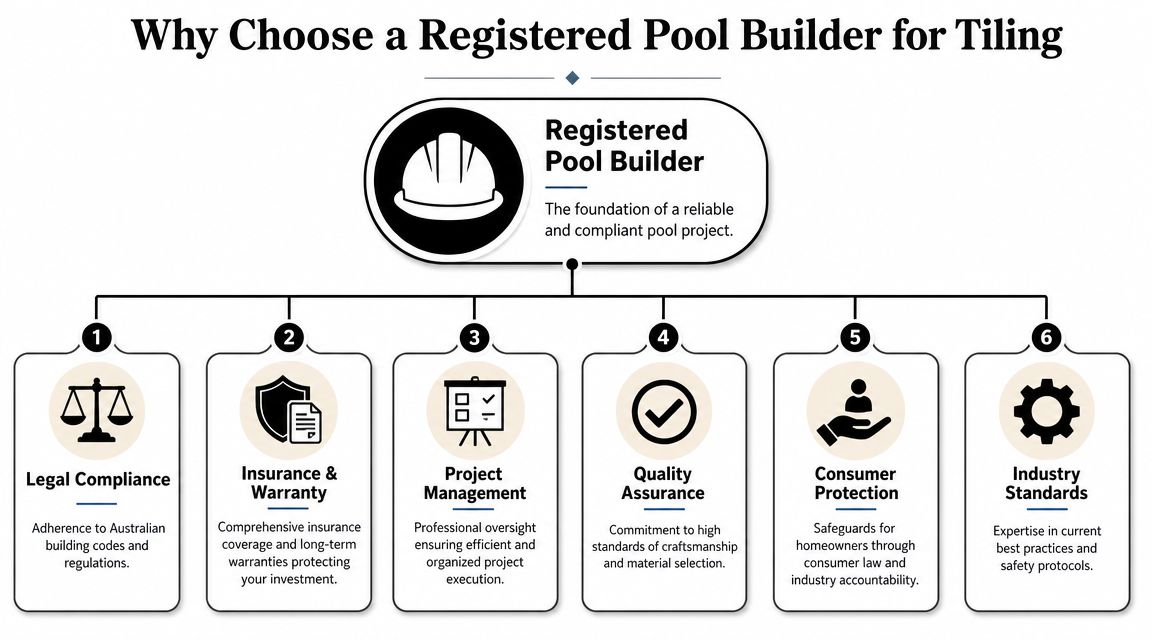
An infographic explaining the benefits of choosing a registered pool builder for your swimming pool tiling project.

The Australian Bureau of Statistics separates Wall and Floor Tilers from Swimming Pool and Spa Builders, and notes that builders may install pool plumbing, electrical systems, hardscape areas and decorative elements, while registration or licensing may be required, as shown in the ABS occupation classification for pool builders and tilers. That distinction reflects what happens on real projects. A pool isn't one trade working in isolation.

A pool project involves more than tiling

A registered builder approaches a tiled pool as a managed construction package. That includes:

  • Trade coordination across tilers, waterproofers, plumbers, electricians and other required specialists.
  • Scope responsibility when the shell condition, penetrations, drainage or sequencing affect the tile finish.
  • Compliance mindset so the installation is treated as part of the building work, not a cosmetic overlay.
  • Risk control through documentation, staging, inspections and site management.

That broader oversight matters on renovation work especially. Once the old finish comes off, someone has to decide what gets repaired, what can remain, which trade returns next, and when the surface is ready for the following stage.

Why bathroom renovation experience matters

The connection to bathroom renovations is stronger than most homeowners expect. In premium bathroom work, the most reliable results come when one registered builder manages waterproofing, screeding, plumbing, electrical, carpentry and finishes under one program. Pool work benefits from the same structure.

A contractor such as Melbourne Tiling Services P/L on its commercial tiling page presents itself as a registered builder coordinating multi-trade tiling and waterproofing work across Melbourne. That model is relevant to pool tiling because it reflects the same need for oversight, trade sequencing and wet-area discipline.

If you hire only for the visible finish, you may still need someone else to carry the structural and compliance side. If you hire a registered builder with tiling expertise, those responsibilities are more likely to sit under one roof.

Selecting Your Tiling Professional: Quotes, Designs, and Warranties

By the time you're comparing contractors, you should be looking for clarity, not sales language. The right professional won't just tell you the pool will look good. They'll show you how the work will be documented, staged and protected.

A quality proposal for swimming pool tiling Melbourne work should read like a project plan, not a one-line rate. If the quote is vague, the disputes usually arrive later.

What a proper quote should include

Look for a quote that breaks out the practical parts of the job:

  • Preparation scope
    Removal, cleaning, grinding, repairs, substrate correction and disposal should be identified.

  • Waterproofing and setting methodology
    You want to know what wet-area build-up is being proposed and who is responsible for it.

  • Tile supply and installation detail
    The quote should identify what's being supplied by whom, and whether trims, edges, fittings and feature areas are included.

  • Allowances and exclusions
    Unknown substrate repair work, specialist access equipment, or owner-supplied materials should be clearly stated.

For design-led projects, visual planning is valuable. Many homeowners benefit from sample boards, layout sketches or 3D drawings before work starts, especially when they're balancing water colour, interior tile choice, coping, and adjacent paving. That's common in quality bathroom renovation work and it translates well to pools.

What to ask before you sign

Ask direct questions.

Who is managing the whole project if additional trades are needed?
Who carries responsibility for waterproofing and substrate readiness?
What happens if hidden defects are found during demolition or surface preparation?
How will variations be approved?
What workmanship warranty is being offered, and how are material warranties handled?

Also ask for evidence of organisation. Clean documentation usually reflects clean site management.

A reliable contractor should be comfortable discussing:

  • Builder registration status
  • Public liability insurance
  • Who supervises the job
  • How defects are rectified if they arise
  • How the final finish is protected before handover

The best appointments are calm, specific and transparent. No pressure. No evasive answers. Just a clear explanation of how the pool will be built, tiled and signed off.


If you're planning a new pool finish or renovating an existing tiled pool, Melbourne Tiling Services P/L is one Melbourne option to consider for builder-led tiling and waterproofing work. The company operates as a registered builder and bathroom renovation specialist, which is relevant for pool projects that need coordinated wet-area expertise, detailed preparation, and clear quoting before work begins.

Modern Bathroom Tiling: A Melbourne Homeowner’s Guide

You're probably standing in a bathroom that still functions, but only just. The shower works, the vanity holds together, and the tiles might even look acceptable from the doorway. Then you step in closer. The grout is tired, the layout feels cramped, the floor never quite drains properly, and the whole room tells you it belongs to another decade.

That's usually the point where homeowners start looking at modern bathroom tiling. They want cleaner lines, better light, fewer visual breaks, and finishes that feel calm instead of cluttered. In Melbourne, that decision also sits inside a bigger renovation picture. Tile demand doesn't move on style alone. It follows the building cycle, and the ABS reported 15,924 new private sector houses approved in Australia in April 2024, which matters because bathrooms are specified and finished during fit-out stages, after approvals and before final handover, as noted in this overview of Australian bathroom tile demand and housing activity.

A good bathroom renovation isn't won by choosing an attractive tile in a showroom. It's won by getting the structure, waterproofing, drainage, set-out, and trade coordination right first, then choosing tiles that suit the room and the way it will be used.

Table of Contents

Your Guide to a Modern Bathroom Renovation

A modern bathroom has to do two jobs at once. It has to look resolved, and it has to perform properly in a wet area that gets daily use. Homeowners often focus first on the visible layer. Tile colour, vanity shape, brushed tapware, niche positions. Those choices matter, but they only work when the renovation has been planned as a complete system.

That's why bathroom renovations should be approached as building work, not just surface replacement. In a full renovation, the room gets stripped back, the substrate is assessed, plumbing and electrical rough-in are coordinated, waterproofing is completed correctly, and only then does tiling begin. If any of those steps are rushed, the finished room can still look polished on day one and fail later.

The renovation lens

The most reliable way to think about modern bathroom tiling is to ask three practical questions:

  • How will the room drain: A clean tiled floor means little if water sits against the shower screen or tracks toward the door.
  • What movement will the room experience: Bathrooms expand, contract, and carry moisture. The build has to accommodate that.
  • Who is responsible for the full result: A tiler can lay tile. A registered builder manages the whole bathroom renovation and coordinates compliance across trades.

Practical rule: If you're renovating the whole bathroom, choose the tile after the layout, plumbing points, and substrate strategy are settled. Not before.

In Melbourne homes, that distinction matters. Many bathrooms sit inside older houses where walls aren't straight, floors aren't level, and previous work may already be hiding moisture damage. A high-end result doesn't come from pretending the room is perfect. It comes from correcting what's behind the walls and under the floor, then setting out the tile work so the finished space feels intentional.

Envisioning Your Style Modern Tiling Trends for 2026

The best modern bathrooms don't chase trends blindly. They use current ideas in a way that suits the room, the light, and the house around them. Most homeowners are after one of a few clear moods. Calm and spa-like. Crisp and architectural. Warm and natural. Dark and dramatic.

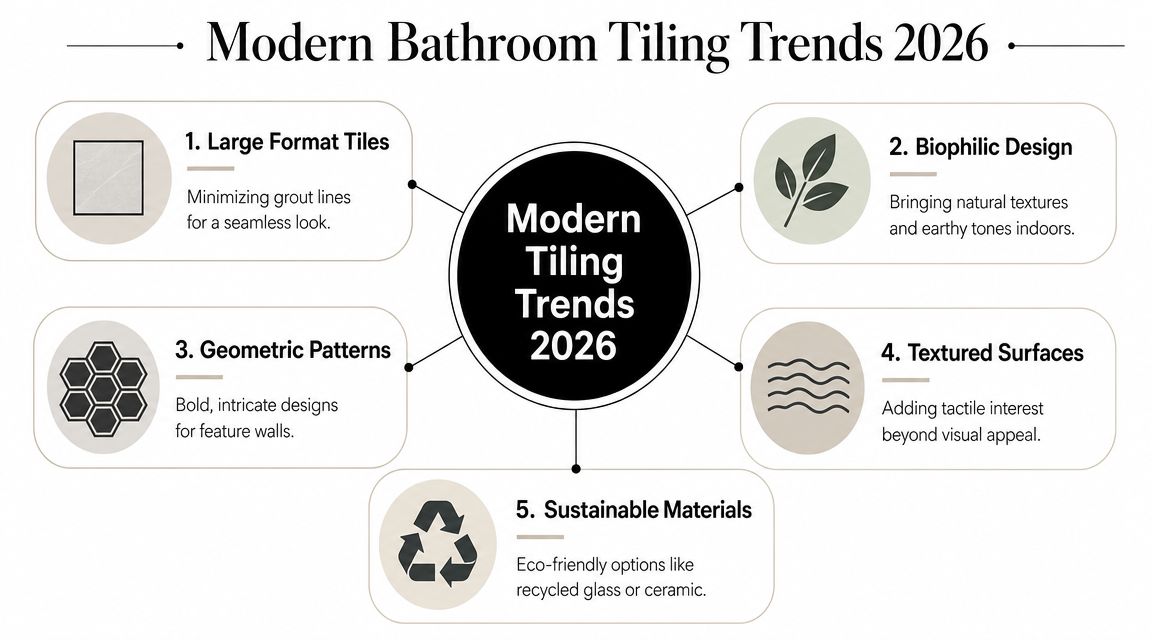
An infographic showing five key 2026 trends for modern bathroom tiling, including large format, biophilic, and sustainable designs.

Seamless and quiet

One strong direction is the pared-back bathroom. Large wall tiles, narrow grout joints, floating vanity, frameless shower screen, and very little visual interruption. This style works well in smaller Melbourne bathrooms because it reduces clutter. Fewer cuts and fewer grout lines make the room feel more settled.
Warm whites, soft greys, stone-look porcelain, and matte finishes usually carry this look best. It's modern without feeling cold.

Natural and textured

Another direction leans into biophilic design. Stone-look porcelain, timber-look joinery, earthy colours, and textured feature walls all sit here. The room feels softer and less clinical. This approach works particularly well when the tile has movement in the face but the overall palette stays restrained.

A common mistake is overdoing it. If the floor has heavy pattern, the wall tile should usually quieten down. If a feature wall has texture, the vanity and mirror selection should stay simple.

Good modern bathroom tiling doesn't need every surface to compete. One hero surface is usually enough.

Graphic and directional

Some homeowners want a bathroom with more edge. Vertical stack layouts, geometric mosaics, fluted surfaces, and deeper tones can create that. Navy, charcoal, olive, and warm clay tones can all work, but they need control. In a bathroom without much natural light, too much darkness can flatten the room.

A sharper look often comes from pattern and layout more than colour alone. A standard tile, laid vertically or stacked with precision, can feel far more contemporary than an expensive tile with a busy face.

Where style meets restraint

If a design trend is worth following, it still has to survive daily use. That means the room should be easy to clean, the floor should suit wet conditions, and the feature choices should age well. The bathrooms that date fastest are usually the ones where every current idea got added at once.

A more durable approach is simple:

  • Use texture selectively: Feature wall, niche back, or vanity splashback.
  • Keep floor tiles practical: Especially in shower zones where grip and drainage matter.
  • Let the layout do some of the design work: Pattern can create interest without introducing too many colours.

Choosing Your Tiles Materials Sizes and Finishes

Most bathroom tile decisions come down to balancing appearance with performance. Homeowners usually arrive with a look in mind. The better question is whether the chosen material suits a wet area, the expected maintenance, and the substrate it's being fixed to.

Porcelain ceramic and natural stone

Porcelain is the workhorse of modern bathroom tiling. It's dense, low porosity, and suits both walls and floors in most bathroom renovations. It also gives you the widest design range, including stone-look, concrete-look, and timber-look finishes that are easier to live with than the natural materials they imitate.

Ceramic can still work well, especially on walls. It's often easier to cut and handle, but it's generally better suited to lighter-duty applications than porcelain. In a full bathroom renovation, many homeowners use ceramic only where the wall finish is the priority and the loading is low.

Natural stone can look exceptional, but it comes with obligations. Stone needs more care, usually more sealing attention, and tighter planning around maintenance. Marble and travertine can be beautiful, but they aren't forgiving if you want a low-fuss family bathroom.
Material Durability Water Resistance Maintenance Typical Cost (per m²)
Porcelain High High Low to moderate Varies by product and format
Ceramic Moderate to high Good Low to moderate Varies by product and finish
Natural stone High when suitable stone is selected and installed properly Varies by stone and sealing Moderate to high Varies by stone type and finish

Size changes the install

Large-format tile is a major part of modern bathroom tiling because it creates a clean, spacious look. Industry guidance notes that bathroom wall tiles commonly move into the 12 x 24 inch to 30 x 15 inch range for contemporary layouts, and that same guidance points out the trade-off clearly. As tile size increases, substrate flatness becomes more critical, so screeding and self-levelling have a direct effect on visual quality and durability, as explained in this guide to bathroom tile dimensions and substrate requirements.

That's why large format isn't just a style choice. It's an installation choice. A wall that was “good enough” for small tiles often won't be good enough for larger ones. The bigger the tile, the more every dip, bow, and twist in the surface shows up as lippage, hollow spots, or poor alignment.

For homeowners considering slim panel products and premium oversized finishes, it helps to understand the handling and substrate demands involved in large format tile installations.

Finish matters as much as colour

Gloss tiles reflect more light and can help a small room feel brighter. They're commonly used on walls where cleaning is straightforward and slip resistance isn't the issue. Matte finishes feel more contemporary in many bathrooms and are often better at softening glare.

Floor selection needs more discipline.

  • For shower floors: Smaller mosaics or compact tiles usually work better because they follow the falls more cleanly.
  • For main bathroom floors: Matte or lightly textured finishes generally give a better balance of appearance and practicality.
  • For feature walls: You can be more expressive because those surfaces don't carry foot traffic.

A tile that looks perfect in a showroom board can be the wrong tile for a wet floor. That's one of the most common disconnects between design intent and daily use.

The Art of Tiling Layouts and Patterns

Layout changes everything. The exact same tile can read as calm, sharp, classic, or busy depending on how it's set out. In tight bathrooms especially, the pattern isn't decoration alone. It changes how the room feels in height, width, and rhythm.

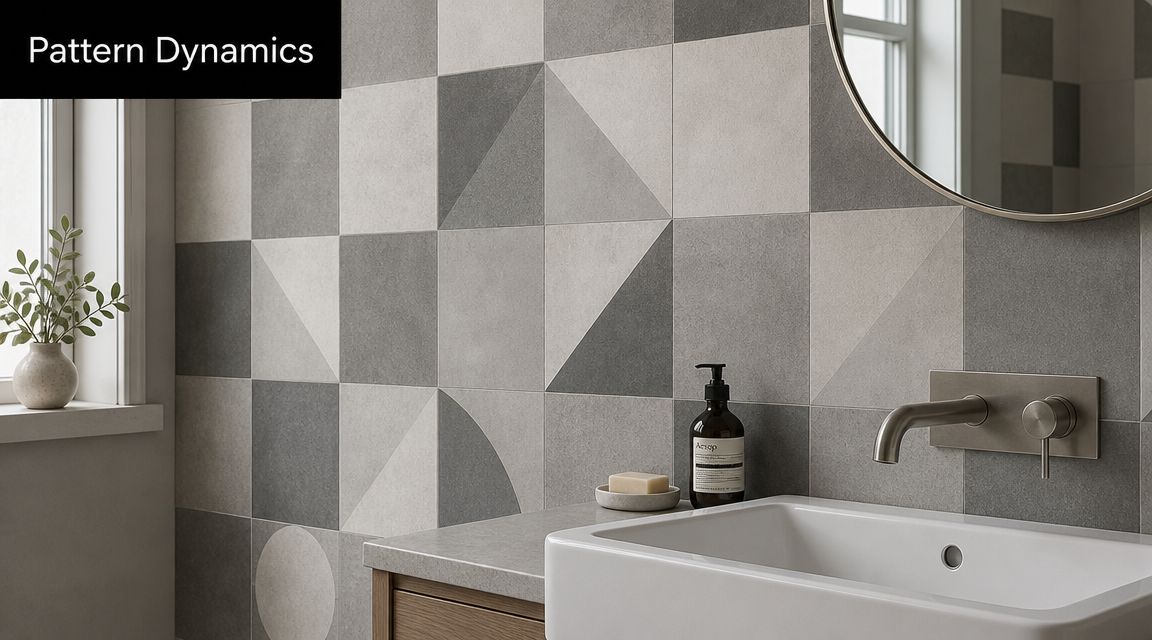
A modern bathroom vanity featuring geometric grey and white patterned wall tiles and a contemporary faucet.

Layouts that make a room feel larger

Stack bond is one of the cleanest options. Tiles line up directly above each other, which gives a disciplined, architectural finish. This works particularly well with rectified porcelain and minimalist bathrooms.

Vertical stack layouts draw the eye upward. In bathrooms with lower ceilings, that can make the walls feel taller. Horizontal stack can widen the room visually, which is useful in narrow spaces.

Running bond, sometimes called brick pattern, is softer and more familiar. It can still suit a modern bathroom, but with larger contemporary tiles many homeowners now prefer the cleaner order of stacked layouts.

Patterns that add movement and detail

Herringbone introduces movement and texture. It works well in shower feature walls, vanity splashbacks, or smaller statement zones. It looks premium when the set-out is tight and the cuts are balanced. It looks messy when the room hasn't been measured properly from the outset.

Geometric and patterned tiles can also carry a room, but they need restraint around them. If the wall pattern is bold, the floor usually needs to be quieter.

Set-out is where expensive tile can be wasted or elevated. Centre lines, edge cuts, niche alignment, and tap penetrations should all be planned before adhesive is mixed.

This walkthrough gives a useful visual sense of how pattern affects the final room.

A practical way to discuss layout with your renovator is to focus on effect, not jargon:

  • Want more height: Ask about vertical stacking.
  • Want a quieter look: Ask for a full grid set-out with even cuts.
  • Want a luxury detail: Use herringbone or feature mosaics in one controlled area.
  • Want the room to feel wider: Review horizontal emphasis and larger wall modules.

The most successful patterns are the ones that suit the room's proportions and the tile's shape. Not the ones copied from a display without checking the actual space.

Behind the Tiles Waterproofing and Installation Essentials

The tile surface is what you see. It isn't what keeps the bathroom dry. That job belongs to the waterproofing system, the substrate preparation, and the drainage falls beneath the finish.

Australian bathroom tiling is built around durability and wet-area compliance. The NCC 2022 references AS 3740 for waterproofing of wet areas, and contemporary bathrooms are built as a compliant system with the waterproof membrane first, then tile finish, reflecting hard-earned lessons from leaks and mould, as outlined in this guide to bathroom waterproofing and AS 3740.

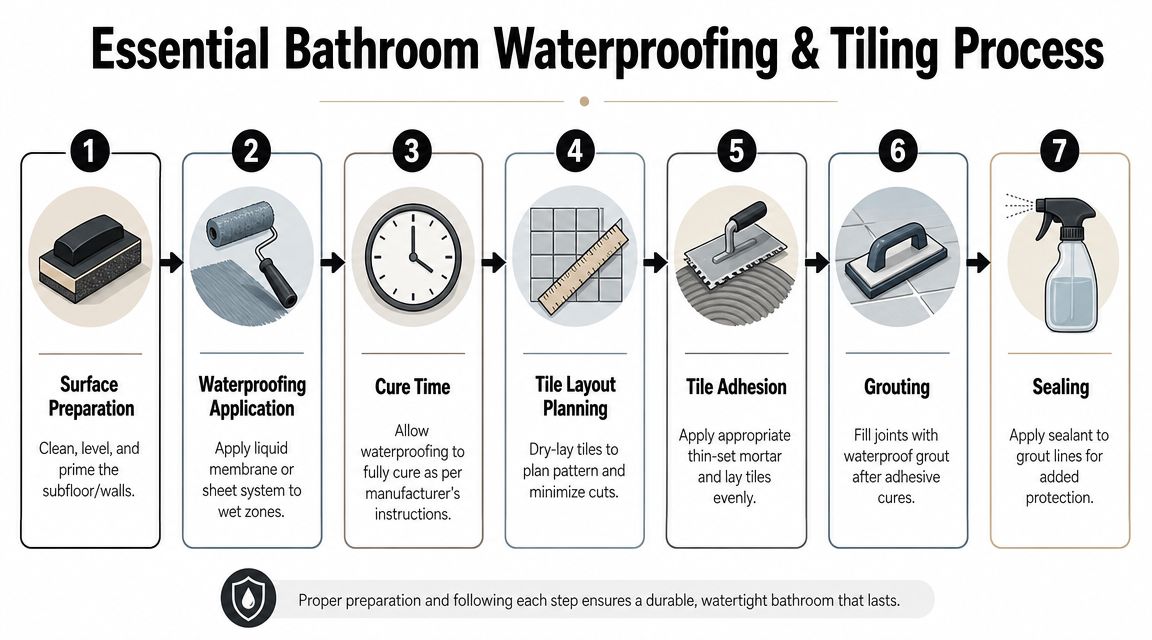
An infographic showing seven essential steps for professional bathroom waterproofing and tiling installation processes.

What sits under the tile finish

A proper install usually starts with demolition and assessment. Once the old bathroom is removed, the structure, floor condition, framing, and sheeting can be checked. If the substrate is unstable or out of tolerance, no tile choice will rescue the result.

The next steps are where a lot of cheap jobs go wrong:

  1. Substrate preparation
    Walls and floors need to be suitable for the chosen tile format. Large tiles need flatter surfaces. Shower floors need controlled falls.

  2. Waterproofing
    Membranes are applied to the correct wet areas, junctions, penetrations, and transitions. This isn't decorative work. It's the wet-area defence layer.

  3. Screeding and falls
    Shower bases and bathroom floors must direct water to waste points. If falls are wrong, water ponds, tracks, or sits against edges.

  4. Tile fixing and movement allowance
    Adhesive selection, coverage, levelling, and movement treatment all affect longevity.

A homeowner who wants a useful technical overview can also review waterproofing requirements and bathroom wet-area practice in Melbourne.

Tiles are not waterproof. If water management is poor under the surface, grout and silicone won't save the room.

Why registered builders matter in bathroom renovations

The difference between a tiler and a registered builder becomes important. In a full bathroom renovation, multiple trades need to be coordinated. Carpentry, plumbing, electrical, waterproofing, tiling, glazing, and fit-off all affect one another. If the sequencing is wrong, one trade can undo another trade's work.

A registered builder takes responsibility for that overall sequence and the compliant outcome. That matters in practical ways:

  • Penetrations are planned properly: Tapware, shower rails, and wastes need to work with waterproofing and tile set-out.
  • Trades don't clash: Plumbing points, niches, and vanity locations get resolved before final tiling.
  • Defects are easier to trace and prevent: One party manages the room as a system, not as disconnected tasks.

Melbourne Tiling Services P/L is one example of a company that handles bathroom renovations under registered builder oversight while coordinating tiling, screeding, waterproofing, and the required supporting trades.

Budgeting Your Melbourne Bathroom Tiling Project

The number that catches most homeowners out isn't the tile price. It's everything around the tile. Adhesives, trims, waterproofing, screeding, labour, demolition, substrate correction, plumbing changes, and electrical updates can all shift the budget more than the face value of the chosen tile.

Where the money actually goes

A bathroom tiling budget usually includes several layers of work:

  • Demolition and disposal: Removing old tiles, fittings, sheeting, and debris.
  • Preparation: Levelling floors, correcting walls, replacing damaged substrate, and setting falls.
  • Waterproofing and fixing materials: Membrane systems, adhesives, grout, sealants, trims, and movement detailing.
  • Labour: Tiling itself, plus all the time spent measuring, setting out, cutting, and finishing.
  • Associated renovation trades: Plumbing, electrical, carpentry, shower screens, painting, and fit-off if it's a full bathroom renovation.

If you're comparing quotes, many misunderstandings often begin. One quote may include complete preparation and compliant wet-area work. Another may only price laying tile onto whatever surface is already there. They're not comparable.

What changes the final price

Some bathrooms are straightforward. Many aren't. These factors usually move the cost most:

Cost driver Why it matters
Tile size Larger tiles need flatter substrates and more exact handling
Layout complexity Herringbone, feature bands, niches, and mitred edges add labour
Existing room condition Uneven floors, damaged walls, and moisture issues require rectification
Scope of renovation Full bathroom renovations cost more than tile-only replacement because more trades are involved
Fixture relocation Moving plumbing points or electrical locations adds trade coordination

A transparent quote should separate products, labour, prep, and exclusions clearly. It should also state who is managing the job. If a builder is coordinating the renovation, that should be obvious in the paperwork.

The cheapest bathroom quote often assumes the existing room is ready for tiling. That's rarely the reality once demolition starts.

How to Choose the Right Tiling Professional in Melbourne

Hiring well matters more than choosing the perfect tile. A strong installer can make a straightforward tile look sharp and long-lasting. A poor installer can ruin expensive materials very quickly.

A hiring checklist that protects you

Start with questions that reveal how the contractor thinks about the whole room.

  • Ask who manages the renovation: If it's a full bathroom renovation, you want clarity on who coordinates plumbing, electrical, waterproofing, and final compliance.
  • Review wet-area experience: Ask how they handle falls, membrane sequencing, niches, movement joints, and penetrations.
  • Check large-format experience: Not every tiler handles oversized porcelain or panel products well.
  • Request a written quote: It should outline demolition, substrate prep, waterproofing, tiling, and exclusions in plain language.
  • Look at completed bathrooms: You're checking alignment, cuts, niche detailing, silicone finish, and overall set-out, not just nice photography.
  • Confirm insurance and registration status: Especially important where broader building work is involved.

For owners comparing providers across project types, including larger fit-outs, it can help to see how a contractor presents their capabilities in areas such as commercial tiling work in Melbourne, because it often reveals how they think about scale, coordination, and finish quality.

When a tiler is not enough

A tiler may be the right hire for a very limited scope. Replacing a splashback tile or carrying out isolated tile repairs is different from rebuilding a bathroom. But once the project involves demolition, waterproofing, layout revision, multiple trades, and responsibility for the finished room, a registered builder is the safer structure.

That doesn't make the tiler less important. It means the project needs one accountable party above the trade level.

Choose the team that can answer practical questions clearly. How will the floor be prepared. Who sets the falls. Who waterproofs. Who signs off the sequencing. What happens if demolition reveals substrate damage. Those answers tell you far more than a mood board ever will.


If you're planning modern bathroom tiling as part of a full renovation, Melbourne Tiling Services P/L handles bathroom and ensuite projects across Melbourne with registered builder oversight, trade coordination, waterproofing, screeding, and wall and floor tiling as part of the same scope.

Waterproofing in Melbourne: Expert Guide to VIC Standards

A lot of homeowners still treat waterproofing like a line item under tiles. That's backwards. A 2023 New South Wales survey found 42% of new strata apartment buildings had serious waterproofing issues, and a federal 2021 report estimated that roughly 30% of all buildings had external leaks. The annual economic cost of these defects in new residential apartment construction has been estimated at between AUD 121 million and AUD 314 million across Australia according to this review of waterproofing failures in Australia.

In Melbourne, that matters long before you see a stained ceiling or swollen skirting board. By the time water shows up outside the bathroom, the failure usually started earlier, underneath the tiles, at a junction, around a penetration, or where one trade assumed another had handled the detail. In a major bathroom renovation, waterproofing isn't a separate task. It's part of a system that has to be designed, sequenced, installed, and documented properly.

That's why registered builder oversight matters. A good membrane product helps. Good detailing matters more. Good supervision matters most.

Table of Contents

The Hidden Risk in Melbourne Homes

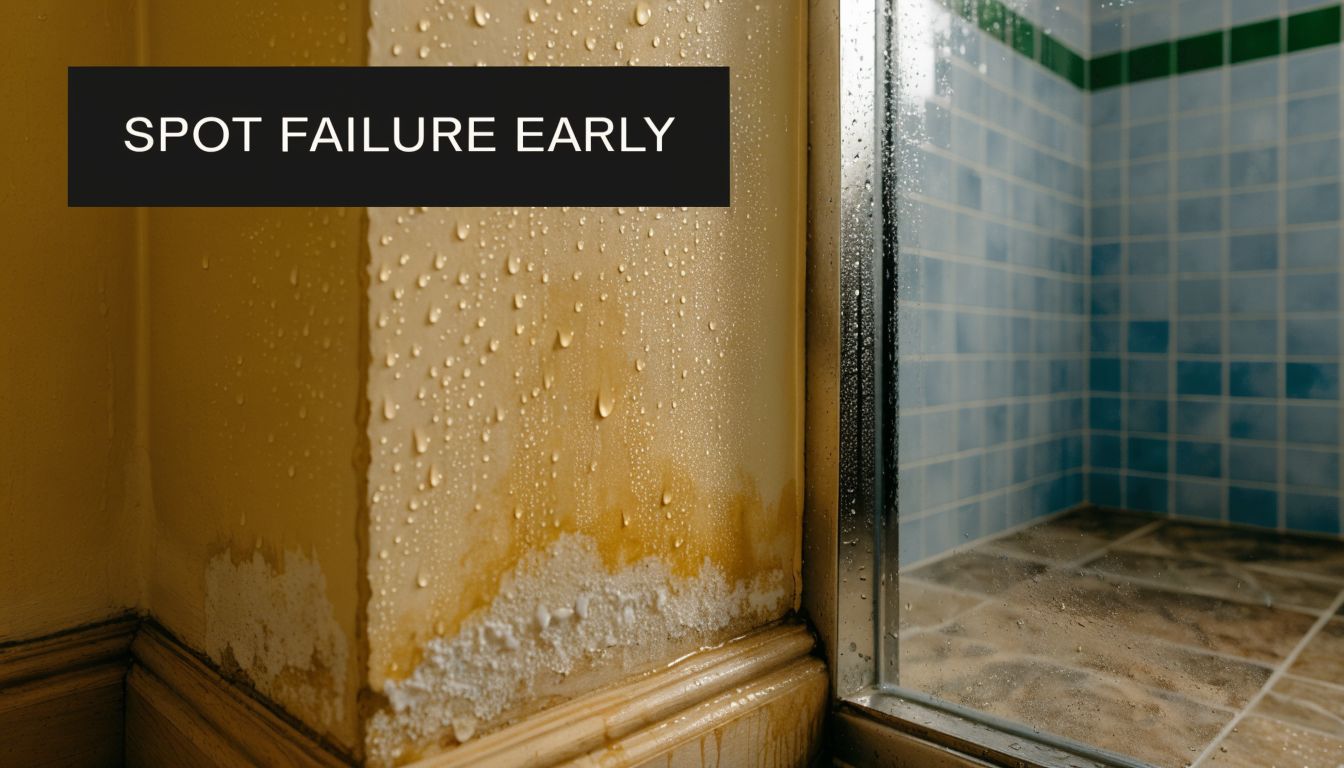
Waterproofing failures rarely begin with a dramatic leak. Most start out of sight. A shower floor holds water a little longer than it should. A balcony edge lets moisture creep behind the finish. A wall-floor junction looks fine after handover, then movement opens a path water can follow.

That's why waterproofing in melbourne should be treated as risk management, not decoration support. The damage doesn't stop at grout or tiles. Water ingress can lead to mould, swollen framing, stained ceilings, damaged adjoining rooms, and disputes over who is responsible for fixing what.

For landlords, the stakes are broader again. If a tenant reports persistent moisture, mould, or a leaking wet area, the issue can affect habitability, maintenance obligations, and insurance discussions. It's worth understanding how comprehensive landlord coverage across Victoria fits around maintenance, leak events, and property protection, especially if you manage an older apartment or a recently renovated unit.

Why failures keep happening

In practice, most failures come from one of four places:

  • Bad sequencing: Plumbing, screeding, waterproofing, and tiling weren't coordinated properly.
  • Poor surface prep: The substrate moved, cracked, stayed contaminated, or wasn't ready to receive the membrane.
  • Weak detailing: Corners, penetrations, hob transitions, and door thresholds were rushed.
  • No real oversight: Each trade did its own piece, but no one checked whether the whole assembly worked together.

Poor waterproofing usually isn't one big mistake. It's a chain of small ones that line up in the same room.
Melbourne homes bring their own complications. Renovations often happen in older houses with movement in timber floors, or in apartments where access, strata constraints, and shared structures make rectification harder. By the time a defect becomes visible, repairs can involve demolition, drying, re-waterproofing, and re-tiling.

Why homeowners get caught out

Many owners assume that if a bathroom looks new, it must be sound. That assumption causes expensive trouble. A bathroom can have quality tapware, neat grout lines, and premium tiles, yet still be non-compliant underneath.

The same problem shows up on balconies and podium decks. Surface coatings can hide bad falls, failed upturns, and weak detailing around balustrades. The visible finish often distracts from the part that matters most, which is the concealed system underneath.

Victoria's Mandatory Waterproofing Standards

In Victoria, compliant waterproofing isn't a preference. It's a building requirement. The Victorian Building Authority states that waterproofing of wet areas is required to prevent mould growth and structural damage, and its guidance makes clear that bathrooms and other wet areas must meet prescriptive requirements under the applicable building framework, as outlined in the VBA's wet-area waterproofing requirements.

The practical point for a homeowner is simple. If you're renovating a bathroom, ensuite, laundry, or similar wet area, the job needs more than a membrane brushed on before tiling. It needs compliant detailing across the whole assembly.

Why compliance isn't optional

The industry has repeated the same lesson for years because it remains true. The Australian Institute of Waterproofing has been noted as saying waterproofing may account for just 1% of a building's cost, yet failures can drive a disproportionate amount of repair cost. That's why experienced registered builders don't treat waterproofing as a place to save money.

Here are some of the details that matter in real jobs:

  • Waterstops: The membrane has to terminate correctly. If you want a plain-English primer, this bathroom waterstops guide is useful for understanding why that small detail matters so much.
  • Junctions and transitions: Wall-to-floor corners, shower entries, and penetrations all need careful treatment.
  • Hobless and step-free design: These layouts can work well, but only when the falls, drainage, and threshold detailing are resolved properly.
  • Documentation: You should ask how compliance will be recorded, not just how the membrane will be applied.

A homeowner doesn't need to memorise every clause. You do need to understand that compliance lives in the details that are hidden once tiling starts.

What a registered builder should control

A registered builder's role is broader than hiring a waterproofer. On a full bathroom renovation, the builder should control the sequence and check that each trade leaves the next one a workable, compliant substrate.

That includes:

Stage What needs to be controlled
Demolition Removal back to a sound substrate without leaving hidden damage in place
Plumbing works Penetrations and set-outs that suit the waterproofing layout
Floor preparation Falls, levels, and screeds that allow water to drain properly
Waterproofing Correct product selection, detailing, curing, and extent
Pre-tiling review Visual confirmation before the membrane gets covered

If you want a record-focused explanation of what owners should request at handover, this page on a waterproofing compliance certificate in Victoria is a practical starting point.

Practical rule: If the contractor can explain the membrane brand but can't explain the waterstop, the falls, and the documentation, you're not hearing the full story.

Choosing the Right Waterproofing System

People often ask which membrane is best. That's not the right question. The right question is which system suits the substrate, the movement you expect, and the exposure the area will face.

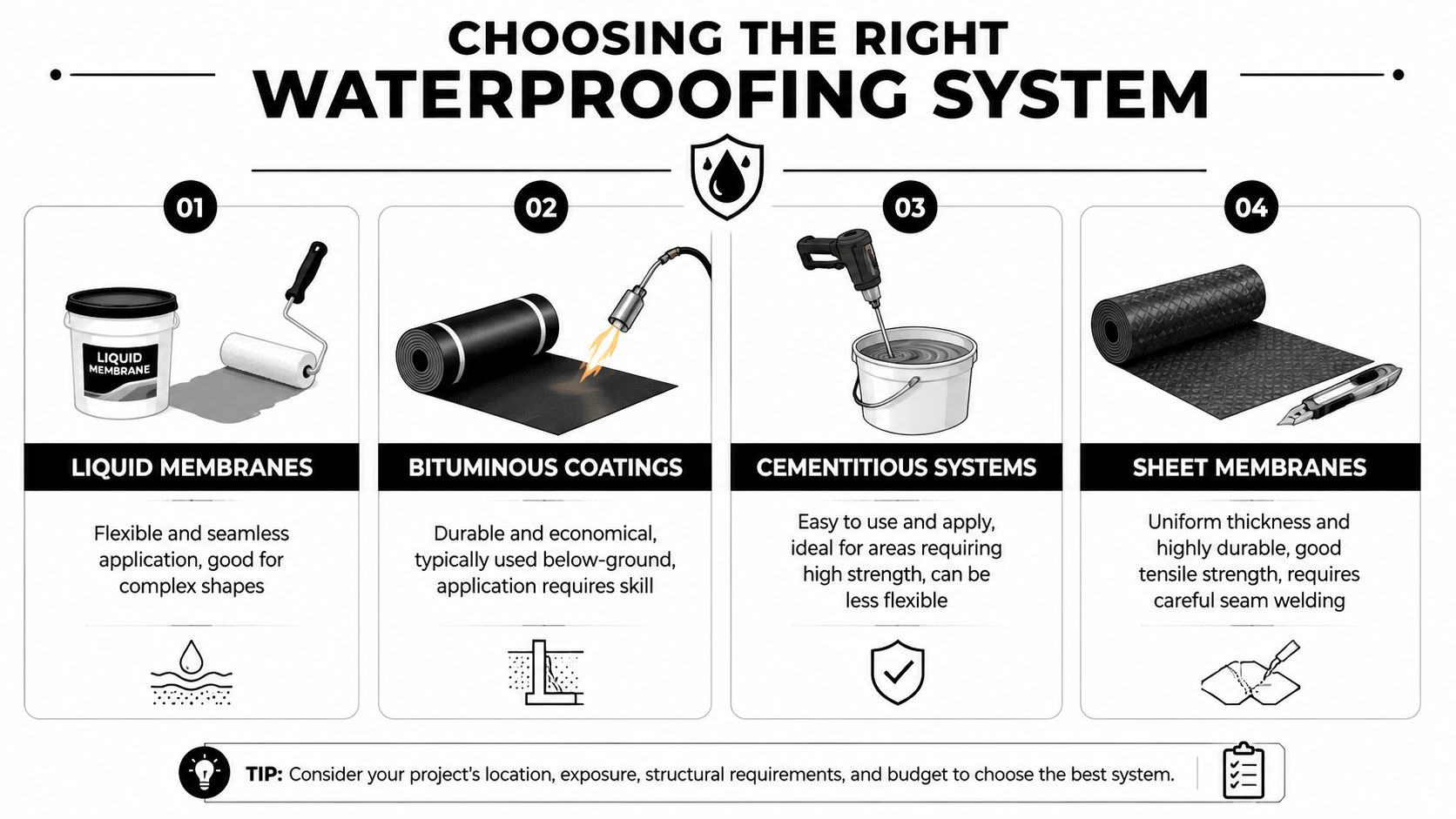
Successful waterproofing in melbourne depends on matching the membrane system to the job. According to this guide to waterproofing systems and membrane methods, liquid membranes are versatile for complex shapes like showers and balconies, while sheet systems offer high dimensional stability. The same source also notes that poor detailing at joints and transitions is a primary cause of failure.

A guide illustrating four common types of waterproofing systems for construction and building maintenance projects.

Liquid membranes versus sheet membranes

Liquid-applied membranes are common in bathroom renovations for a reason. They suit awkward geometries. Niches, corners, mixer penetrations, shower bases, and small floor areas are easier to treat when the membrane can be rolled or brushed continuously around the detail.

Sheet membranes have a different strength. They offer consistent thickness and dimensional stability, which can be an advantage on larger or more uniform areas where movement, vapour management, or system design points in that direction.

A simple comparison helps:

System Tends to suit Watch-outs
Liquid-applied membrane Showers, bathrooms, irregular layouts, complex penetrations Thickness control, curing, and detailing must be disciplined
Sheet membrane Larger areas, some external assemblies, jobs needing stable sheet properties Seams, terminations, and substrate preparation must be exact

What actually decides the right system

The membrane type is only one decision. The better conversation is about the full build-up.

  • Substrate movement: Timber floors and mixed-material junctions behave differently from stable concrete.
  • Exposure: Internal wet areas don't face the same UV, temperature cycling, or weather load as an external balcony.
  • Traffic and finish: A trafficable surface needs a different approach from a tiled shower underlay.
  • Drainage design: If falls are wrong, a premium membrane won't rescue the job.
  • Detail complexity: Balustrade posts, channels, corners, and door thresholds all increase risk.

That's also why some contractors specify more than one system across a property. One product may suit the ensuite. Another may suit the balcony. Another may suit a retaining wall or podium edge.

For homeowners comparing options, a more useful discussion starts with the types of waterproofing systems used in Melbourne projects and then narrows down based on the room, substrate, and exposure.

A membrane doesn't fail because the brochure was wrong. It fails because the selected system didn't suit the build-up, or because the installer lost control of the detail work.

The Waterproofing Process in a Bathroom Renovation

In a proper bathroom renovation, waterproofing sits in the middle of the job, not at the start and not as an afterthought. By the time the membrane goes on, demolition should be complete, plumbing rough-in should be resolved, and the substrate should be sound, clean, and ready.

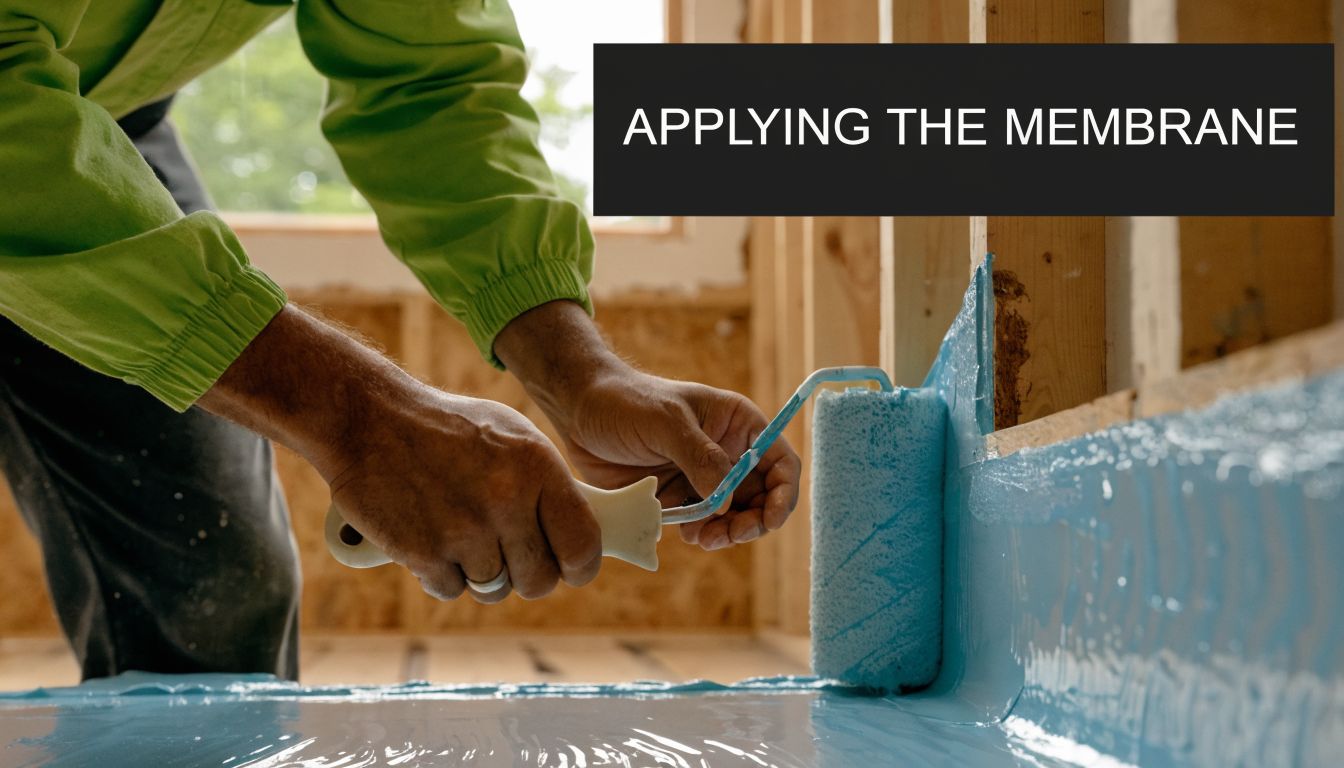
A professional construction worker using a paint roller to apply blue waterproof membrane to wooden wall frames.

On builder-managed jobs, coordination earns its keep. If the plumber leaves penetrations in the wrong place, if the floor isn't formed to drain properly, or if damaged sheeting stays in place, the waterproofer is being asked to bridge problems that should've been fixed earlier.

Where waterproofing sits in the renovation sequence

A sound sequence usually looks like this:

  1. Strip-out and inspection
    Old tiles, screeds, fittings, and damaged linings come out. Hidden moisture damage gets identified before new finishes go in.

  2. Structural and substrate correction
    Loose sheeting, movement, cracking, poor framing support, or unsuitable surfaces are dealt with first.

  3. Plumbing and set-out confirmation
    Waste locations, tap penetrations, shower positions, bath interfaces, and screen lines are checked against the layout.

  4. Floor preparation and falls The substrate must allow water to move where it should. Waterproofing over a badly prepared floor locks in the defect.

  5. Membrane detailing and application
    Corners, junctions, penetrations, and terminations are treated first. Then the field areas are coated or sheeted as required.

  6. Pre-tiling inspection
    This is the point where the hidden work is still visible. It matters more than most owners realise.

If you miss the pre-tile check, you lose your best chance to verify what's underneath the finish.

The inspection point that matters most

The most important inspection in a bathroom renovation is after waterproofing and before tiling. Once tile adhesive, tiles, grout, and fittings cover the membrane, you're relying on paperwork and trust.

That's why experienced builders photograph this stage, record products used, and confirm the detail work before the tiler starts. On larger or more technical jobs, that check becomes even more important because multiple trades intersect in a very small room.

A short visual overview of membrane application helps homeowners understand what they should be asking to see:

For bathroom renovations, one practical advantage of using a company with registered builder oversight is that the waterproofing stage isn't isolated from the rest of the project. For example, Melbourne Tiling Services P/L handles bathroom renovations, waterproofing, tiling, and related wet-area works under coordinated builder-led management rather than treating membrane application as a standalone trade event.

Beyond the Bathroom Waterproofing Balconies and Decks

A bathroom membrane lives in a controlled environment. A balcony doesn't. External waterproofing has to deal with rain, UV, temperature swings, surface traffic, wind-driven water, and movement at edges and penetrations. That's why a system that performs well in a shower may be the wrong choice outside.

For leaking balconies and external walls in Melbourne, the critical decision is choosing the right system based on substrate movement and use. Local specialists working in this space use liquid-applied, sheet, and trafficable systems, including products such as polyurea, polyurethane, and liquid rubber, especially around balustrades and penetrations where failures often occur, as discussed in this Melbourne guide to roofs and deck waterproofing.

Why external waterproofing fails differently

External areas fail for different reasons than bathrooms:

  • Weather exposure: Rainfall keeps testing the system from above, not just from intermittent use.
  • UV degradation: Some coatings and details deteriorate faster when exposed.
  • Thermal movement: Sun and shade cycles expand and contract the substrate and finish.
  • Access limitations: Repairing a podium deck or occupied apartment balcony is harder than fixing a bathroom under renovation.

That changes the design conversation. On a balcony, the builder has to think about the entire path water will take. Surface finish, falls, drainage outlets, door thresholds, upturns, and terminations all need to work together.

What to check before choosing a system

If you're dealing with a leaking balcony or deck, ask these questions first:

  • Is the surface trafficable: Some systems are designed to be exposed, others need protection or a tiled finish.
  • Where is the movement: Long spans, cracked screeds, mixed materials, and post penetrations all change the specification.
  • Can drainage be improved: A membrane won't fix a balcony that holds water because the fall is wrong.
  • What disruption is acceptable: Some rectification methods involve full removal. Others aim to target isolated failure points.

For apartment owners and managers, the practical issue often isn't product chemistry. It's whether the proposed method fits the access constraints, the occupied building, and the long-term maintenance plan. A detailed look at balcony waterproofing in Melbourne is useful when you're comparing remedial options rather than new-build assemblies.

External waterproofing punishes shortcuts more quickly than internal wet areas. The weather keeps testing the weak point until it opens up.

Hiring a Pro Costs, Licensing, and Your Warranty

The cheapest waterproofing quote often excludes the part that protects you. It may price membrane application as if the substrate is already perfect, the detailing is straightforward, and no one needs to document the result. Real projects aren't that tidy.

A compliant Melbourne waterproofing job isn't just about product selection. The VBA's guidance highlights details such as membrane termination to a waterstop, and the key homeowner question is: How will you document that the installation meets Victorian standards? That point comes directly through the VBA's practitioner guidance on waterproofing details for wet areas.

A professional business meeting with a firm handshake between two men in a bright modern office.

Why builder oversight changes the outcome

A sole waterproofer may do competent membrane work. The problem is that bathroom failures often begin outside the membrane application itself.

A registered builder overseeing the renovation is in a stronger position to manage:

Risk area Why oversight matters
Substrate condition Damaged or moving backgrounds need correction before waterproofing starts
Trade coordination Plumbing, carpentry, screeding, waterproofing, and tiling affect one another
Compliance detail Waterstops, thresholds, penetrations, and junctions must line up with the full design
Records Photos, scope notes, product information, and completion documentation should be collected systematically

That oversight matters even more in major bathroom renovations, where layout changes, enlarged showers, hobless entries, recessed niches, underfloor heating, or stone finishes can increase complexity.

Good waterproofing documentation protects you twice. It helps prevent disputes during the job, and it gives you a record after the tiles are on.

Questions worth asking before work starts

Don't ask only what membrane they use. Ask how the whole job will be controlled.

  • Who is supervising the full renovation: If several subcontractors are involved, who carries the responsibility for sequence and compliance?
  • How will falls and drainage be checked: A membrane laid over bad falls is still a bad system.
  • What details will be photographed: Ask for photos before tiling, especially at corners, penetrations, and threshold areas.
  • What documentation will I receive: You want a clear record of what was installed and how compliance was addressed.
  • Who do I call if there's a defect: One responsible party is better than three trades blaming each other.

If you're comparing quotes, treat unusually cheap pricing carefully. In waterproofing, missing scope often hides behind vague words like “standard prep” or “allowance for membrane”. A clear, builder-led scope usually reads more like a construction plan than a trade-only quote.

Signs of Failure and How to Maintain Your System

Waterproofing failure doesn't always announce itself with water running across the floor. Most owners notice secondary symptoms first. If you know what to look for, you can catch problems earlier and limit the spread.

A yellow wall with visible water damage, salt deposits, and condensation next to a glass shower door.

Early signs people miss

Keep an eye out for these:

  • Recurring mould: If mould keeps coming back after cleaning, moisture may be sitting behind the surface.
  • Loose or drummy tiles: Hollow sounds can point to debonding or moisture-related movement below.
  • Cracked grout at junctions: Repeated cracking at the same spot usually means movement or water-related failure underneath.
  • Peeling paint on the other side of a wall: Bathroom leaks often show up in the adjoining room first.
  • White salty residue: Efflorescence suggests moisture is moving through masonry or cement-based materials.
  • Musty odour: A room that smells damp even when it looks clean deserves investigation.

Some of these signs can also relate to plumbing leaks or ventilation issues. That's why diagnosis matters before anyone starts patch repairs.

Simple maintenance that helps

Maintenance won't fix a failed membrane, but it can reduce stress on a sound system.

  • Keep drains clear: Standing water gives every weak detail more time under load.
  • Check sealant joints: Silicone around screens, baths, and fixtures doesn't last forever.
  • Use gentle cleaners: Harsh products can shorten the life of sealants and some finishes.
  • Act early on movement: A cracked tile or recurring grout split shouldn't be ignored for months.
  • Watch external areas after rain: Balconies that pond water are telling you something useful.

Small maintenance habits don't replace proper construction. They do help preserve it.

Melbourne Waterproofing Frequently Asked Questions

Can I waterproof my own bathroom in Melbourne

You can physically apply a membrane yourself, but that doesn't mean the job will be compliant or easy to verify later. In a major renovation, the bigger risk is usually not the coating itself. It's the falls, the substrate, the terminations, and the lack of reliable documentation once the room is tiled.

Is waterproofing only important in the shower

No. In bathroom renovations, failures often occur at the edges of the obvious wet zone. Door thresholds, around baths, floor waste areas, wall-floor junctions, and penetrations all deserve attention. In some bathrooms, especially those with more movement or greater wet-area exposure, the surrounding floor area becomes just as important as the shower.

How do I know if the work is compliant

Ask for evidence before the tiles go on. You want to know what product system is being used, where the membrane starts and stops, how terminations are handled, and what photos or records will be provided. A compliant job should be explainable in plain English by the builder or installer.

What's more important, the membrane brand or the installer

The installer and the supervision. Good products are widely available. Failures still happen because the wrong system was chosen for the substrate, or because the detailing and sequencing were poor.

Are balconies waterproofed the same way as bathrooms

No. External areas face weather, UV, movement, and often foot traffic. That usually pushes the specification toward a different system and a different level of detail.

When should I involve a registered builder

At the start. If you're changing layout, removing walls or linings, updating plumbing locations, building a hobless shower, or doing a full ensuite or bathroom renovation, builder oversight should be part of the planning, not something added after demolition.

If you're planning a renovation or dealing with a leak, talk to a team that can assess the substrate, the detailing, and the compliance pathway before tiles go down.


If you need practical advice on waterproofing in melbourne, bathroom renovations, or leak rectification, Melbourne Tiling Services P/L can inspect the job, explain the trade-offs, and quote the work with registered builder oversight so the waterproofing is treated as part of the whole system, not a standalone afterthought.